

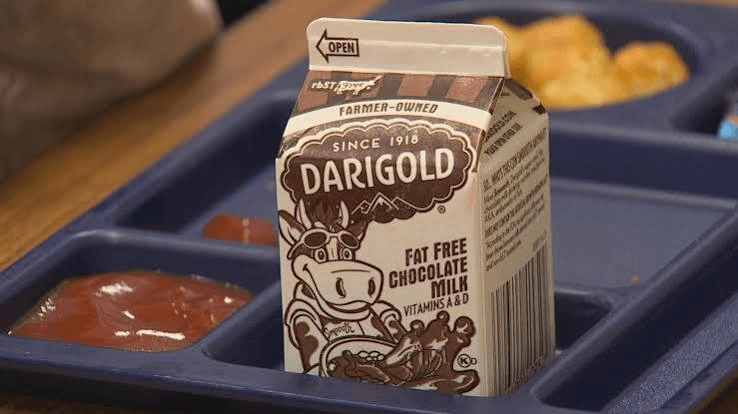
Chocolate milk. It’s childhood comfort in a carton. It’s school lunch fuel. Athletes grab it post-workout. Right now, though, people are talking about a “chocolate milk shortage.” Some shelves are empty. Prices are going up. Recipes are changing.
Should you panic? No. Should you understand what’s actually happening so you can adapt? Absolutely. Cut through the noise. Here’s the real story on chocolate milk shortages—and how to think like an entrepreneur when scarcity hits.
Chocolate Milk Shortages—Hype or Real Issue?
Let’s set the record straight. There’s no nationwide, permanent shortage of chocolate milk. Your grocery store probably still has some. But you will see local shortages, especially from smaller dairies and brands.
Why? Not every business gets access to the same supplies. Big players get first dibs on scarce cocoa. Smaller ones might lose out—fast.
Don’t assume the whole market dries up just because you see one empty shelf. Shortages are real. But they’re not universal. Think of it as “supply-chain roulette.” Sometimes you win. Sometimes you scramble.
The Root Cause—Cocoa Shortages and Weather Chaos
Here’s the brutal truth: The chocolate milk problem starts way before that carton appears in your fridge. Everything flows from cocoa supply. And cocoa is in trouble.
Most of the world’s cocoa comes from West Africa—mainly Côte d’Ivoire and Ghana. These regions have always dealt with unpredictable weather. But now, climate change is turning up the heat, literally. If you farm cocoa, you’re facing 40+ extra scorchers (over 90°F) every year. Yields drop. Droughts and flooding kill crops. Soil goes bad. Fungal diseases like “frosty pod” can wipe out up to 40% of the harvest.
Result? There’s less cocoa available—and it costs a lot more.
If you run a small dairy, this can wreck your entire business plan overnight. Suddenly, you can’t get the cocoa powder that makes chocolate milk possible. Your big competitors outbid you. Your supplier’s container gets stuck at a port, or just… doesn’t arrive.
You don’t need to control the weather. You need a backup plan and grit.
What a Local Shortage Looks Like—Real World Examples
Forget the abstract. Here’s what happens on the ground.
In Vermont, Strafford Organic Creamery hit a wall in early 2024. Global cocoa shipments dried up. Their regular supplier admitted: no more powder, and none expected for months. Their response? They pivoted. No chocolate milk. Switched the machines to “maple milk” production. You don’t need your original ingredient. You need something people will pay for now.
Miller Farm, also in Vermont, took a wild swing. When cocoa powder vanished, they switched to using chocolate disks—improvising just to keep the signature product alive.
Meanwhile, Houlton Farms Dairy in northern Maine lost its custom chocolate powder overnight. Calls to the Illinois factory? No luck. They couldn’t even blame the global cocoa shortage directly; it was a supply-chain tactic gone wrong. The rest of the country kept its chocolate milk. Their region didn’t.
That’s your lesson: For small producers, it’s not just about what’s available globally. It’s about what’s available to you.
Rising Cocoa Prices Change the Chocolate Game for Everyone
Even if the milk doesn’t disappear, everything about chocolate changes when cocoa prices explode. In 2024, cocoa costs doubled. That’s a fifty-year high. It’s not just milk. Your favorite chocolate bars are shrinking or disappearing from shelves. Recipes get changed to stretch a shorter supply.
If you’re manufacturing chocolate milk, what do you do? Cut cocoa levels. Blend with cheaper cocoa. Reduce portion sizes. Charge more per carton. Sometimes, you pull the product altogether. All to keep cash flowing and customers semi-happy.
This isn’t a sign of failure. It’s survival. Sometimes you need to sacrifice a best-seller to keep the business alive. That’s business reality.
Plan for price spikes. Don’t let one ingredient become your Achilles’ heel.
School Policies—Supply Problem or Design?
Look closer and you’ll see a totally different driver behind some “shortages.” Schools pull chocolate milk from their coolers on purpose. Not because of cocoa prices, but because they want to cut kids’ sugar intake.
What happens? Kids buy less milk overall. More milk gets dumped down the sink. One Oregon study saw daily milk sales drop 10% and waste jump 30% after chocolate milk was removed. Sounds bad, right? But on paper, kids do cut back on added sugar.
So, is this a real shortage? No. This is where market pressure and policy clash. Don’t confuse intentional removal with an inability to source an ingredient. Your local school might be missing chocolate milk, but it’s probably a nutrition call—not supply.
Check why something is missing before you panic.
Health and Demand—Why Chocolate Milk Still Sells
Let’s not sugarcoat it—chocolate milk is a sugar bomb. Twelve ounces can pack double the sugar of plain milk, with numbers rivaling cola.
But guess what? Kids love it. Athletes swear by it for post-workout recovery. Studies rank chocolate milk as effective, sometimes better, than some major-brand sports drinks for refueling after endurance events.
In short, when chocolate milk vanishes—whether by supply shortage or school policy—people notice. Demand stays strong. That keeps entrepreneurs, dairies, and inventors scrambling to bring it back, no matter what the supply throws at them.
Don’t assume demand goes away just because your preferred version is off the shelves. The appetite is still there.
Cocoa Shortages—Are We Talking Global Crisis?
Let’s zoom out. No, there is not a universal, catastrophic chocolate milk shortage. Grocery chains across the U.S. report 88% of all consumer items still in stock. Most shelves are fine.
But the “chocolate deficit” is real. Industry data shows demand outpacing supply. Crop failures continue. Climate is making things worse, not better. If you’re small, you feel the squeeze first. If you’re big, you weather the storm longer—but expect margin pressure.
Local shortages hit hardest at the edge. The local dairy. The specialty shop. If you run a small operation, you’re dealing with spotty sourcing, weird batch substitutions, changing recipes mid-stream, and pissed-off regulars. Get used to it.
No one is coming to save your supply chain. Get creative, or get priced out.
Want tactics to thrive when ingredients get scarce? Learn how businesses pivot and diversify revenue at SmallBizBit. Look for backup suppliers. Experiment with new flavors. Hell, market the shortage as a story—people buy the last carton.
Think Like an Entrepreneur: Move Fast, Adapt Faster
Here’s your hard truth: markets hate stasis. Conditions shift. Supply chains get knotted. Weather ruins another harvest. Big brands squeeze out the little guy. You can whine, or you can adjust your approach.
Don’t get sentimental about “the way things used to be.” If chocolate milk’s out of reach, try maple, strawberry, coffee, or an entirely new category. You don’t need the world’s ideal conditions to start selling. You need a headline, a hook, a product someone will buy right now.
If you’re a corporate professional eyeing your own business? Take notes. Build a supply buffer. Choose lower-risk products if your margins can’t take the hit. Or go high-end and charge premium for real, limited-ingredient products. Tell your audience why it costs what it does. Build value in scarcity.
Focus on what drives revenue, not what “should” be available. The market will reward you.
Looking Ahead—Fight Scarcity with Action, Not Excuses
So, is the “chocolate milk shortage” real? Sometimes—locally, briefly, among smaller producers slammed by cocoa shocks and choppy logistics.
Is the world out of chocolate milk? Not even close. The industry is changing. You’ll see recipe shifts, size cuts, and price hikes. Expect more policy decisions around sugar. Expect more innovation, too.
You don’t need a guarantee that everything will stay the same. You need resilience. Scarcity is a signal. It creates opportunity. Pivot your recipe, your offer, your audience.
Start small. Move quickly. Take the hit, learn the lesson, and come back with something better. Shortages aren’t failures; they’re invitations to do business smarter.
Tough markets make tough founders. Chocolate milk is just the case study. Your next shortage—of anything—might be your chance to stand out.
Don’t wait for the market to become perfect. Build your advantage on imperfect ground. That’s how real growth happens—one pivot at a time.
Also Read This:
