

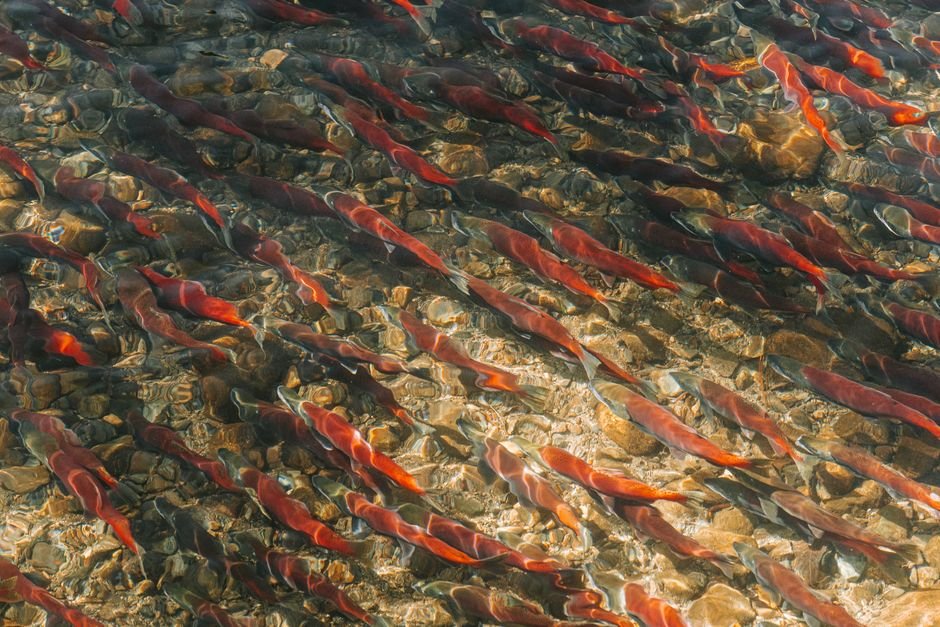
Here’s the bad news. You can’t ignore what’s coming in the salmon supply chain. Collapse isn’t just a scary headline. It’s disrupting businesses, science, and dinner tables globally. Let’s break this down—fast, clear, and with a bias toward action.
Spot the Shortage: Market and Ecological Facts
Start with the facts. Farmed salmon—the stuff you find at most supermarkets—isn’t growing with demand. A leading industry panel expects global farmed supply to stay flat by 2026. It’s not a temporary hiccup. Demand keeps climbing, but Chile (a top producer) is harvesting slightly less than last year. You’re looking at a ceiling, not a lull.
Hold on—there’s more. Commercial salmon markets already flagged a shortfall for Alaska sockeye in 2024. Don’t expect a rebound in 2025. What does flat supply plus rising demand equal? You guessed it: a projected 16–18% price hike by 2026. That’s not inflation; it’s resource squeeze.
Those are cold market facts. Now, let’s zoom out. Almost 40% of global salmon and trout populations have vanished since the 1980s. An 81% slump in migratory freshwater fish numbers since 1970 puts salmon in the “vanishing act” club. When the supply tightens *and* ecosystems collapse, disruption ripples far beyond dinner menus.
Wild Atlantic Salmon: An Existential Problem
Farmed fish can only patch holes for so long. The wild Atlantic salmon crisis is no PR problem. It’s a full-blown biological train wreck.
Back in 1983, the North Atlantic held around 7 million wild salmon before fishing started each year. Today, it’s under 3.5 million—less than half. Even after bans on legal fishing, those numbers keep sinking. For some rivers, “critically low” doesn’t even capture how close we are to zero.
Want specifics? Look at the United States. A century ago, tens of thousands of wild salmon poured into every major New England river. Now, you’ll be lucky to see 1,000 return—total. Most rivers get none. NOAA fingers three culprits: bad dam passage blocking migrations, climate-fueled river warming, and low survival in the ocean.
Cross the Atlantic. In the UK, recent reports put 90% of salmon rivers “at risk” or worse. Populations are down 80% since the early 1980s. Rivers that once pulsed with 20,000 salmon may see just a few hundred stragglers now. Red List status just shifted from “least concern” to “endangered.” The math? A 30–50% drop since 2006, with another 50–80% at risk by 2050.
Now, let’s get frank about poaching. A peer-reviewed study fingers illegal, unreported, and unregulated (IUU) fishing as the likely cause behind the most mysterious collapses in the Atlantic basin. You can shut down legal fishing, but if the black market is running wild offshore, the fish never make it back. Conservation laws only save what’s left.
Salmon Farming—Help or Hurt?
Aquaculture could save the day, right? Not if you read the fine print. Farmed salmon don’t magically emerge from thin air. The $80 billion sector depends heavily on wild-caught forage fish—anchovy, menhaden, herring. Remember, 90% of those global fisheries are maxed out or overfished.
There’s another catch. Farmed salmon routinely escape and breed in the wild, weakening the genes of wild populations. The Atlantic Salmon Federation calls this “genetic introgression.” It’s a technical term that means wild salmon lose their edge to survive in a changing climate.
In short: farming props up supermarket shelves now, but can’t scale forever. The pipeline (feed, stocking sites, fish health controls) is at its limit.
Pacific Salmon: Not Immune, Not Safe
Let’s cut across to the Pacific. Alaska’s famed runs aren’t immune. The Yukon River once fed families, communities, and entire cultures with Chinook and chum salmon every year. Over the past several decades? Stocks have dropped off a cliff.
Why? Start with climate chaos: the Bering Sea grows warmer, loses sea ice, and changes its entire food web. Add in commercial fishing—over two million metric tons of marine life removed every year for decades. Then, overcrowding. Hatchery pink and chum salmon from Asia and Alaska now flood the North Pacific, making life harder for wild stocks.
But wait, there’s more bad news. Commercial groundfish fisheries scoop up thousands of salmon as bycatch. Alaska Peninsula fishers catch over a million salmon annually, but more than half aren’t even local—they’re “borrowed” from western Alaska.
And as river temperatures spike, salmon survival drops. Some stocks are shifting north, others disappear completely. Native Alaskan communities feel it in their kitchens and gatherings. It’s a food security crisis, plain and simple.
Science Is Suffering Too
You can’t manage what you can’t measure. The salmon shortage isn’t just a drag on dinner plans—it’s wrecking research. On the U.S. West Coast, big studies of salmon migration are stalling because there aren’t enough fish to tag and track. The Alaska Salmon Research Task Force flagged the urgency: more research, now, or we fly blind into collapse.
Fewer fish means shoddy data. Shoddy data leads to slower, weaker policy. It’s the feedback loop from hell.
What’s Behind the Salmon Squeeze?
Don’t blame just one thing. The evidence points to a nasty cocktail:
Overfishing & IUU fishing: Legal and black-market catch rates are still robbing future generations.
Habitat loss & river barriers: Dams block paths; rivers get choked, shallow, or polluted. Fewer survivors.
Climate and water warming: Higher temps stress fish, speed disease, kill eggs, and push migrations off course.
Aquaculture side effects: Farmed escapees breed with wild fish—weakening the gene pool. More demand means more feed, more supply constraint.
Ecosystem knockout: Too many hatchery fish crowd wild stocks. Giant commercial removals knock out key species and disrupt the web.
Fixing just one issue? Not enough. The system needs a full reset.
What Does This Mean for You? (Entrepreneurs, Freelancers, and Small Businesses—This is Your Playbook)
You don’t need to be an ecologist to see where this road leads. Here’s the practical reality you need to act on—right now.
For supply chains:
Don’t bet blind on stable salmon supply or pricing. The old rules are gone. If your menu or product depends on wild salmon? Diversify or hedge, fast. Farmed supply is plateauing, not expanding. Start planning for leaner times and rising costs now.
For market strategy:
Can’t get enough wild-caught or sustainably farmed salmon for your offering? Switch gears. Test alternative proteins, trout, or even niche tinned fish from healthy fisheries. “You don’t need a perfect artisan salmon line. You need a reliable, profitable protein product.” Focus on what you can control—supply, margin, and resilience.
For prices:
Don’t passively accept cost spikes. Lock in contracts where possible. Rework menus or offerings for flexibility. Expect up to 16–18% price bumps over the next two years. Fold that into your models today, not tomorrow.
For storytelling & marketing:
Everyone is chasing “sustainable” salmon for their brand story. Here’s the truth: it’s rare, costly, and often out of reach. Be honest with customers. Share your sourcing challenges and your commitment to keep quality high even as global salmon supplies tighten. Transparency builds trust (and loyalty) when times are tough.
For future-focused startups:
Interested in climate-resilient proteins? Or responsible aquaculture? Good. There isn’t just a shortage—there’s an opportunity. The sector is ripe for low-lift, high-impact solutions: alternatives to fish meal in feed, better river passage tech, precision bycatch reduction tools, even apps for tracking legally sourced fish. Start small. Validate with a real customer before you scale.
For local communities and food security champions:
Don’t wait for regulators to solve this. Form coalitions. Share local observations. Push for protection of critical rivers, fair allocation plans, and restoration projects. Borrow the visibility of larger organizations to get support and funding. Small groups can still move the needle.
Want more inspiration on practical pivots, rapid testing, and building leverage? Check out action-oriented business strategies at smallbizbit.com. It’s built for people like you—quick pivots, straightforward playbooks, no fluff.
The Next Five to Ten Years: What’s Coming For Salmon?
Reality check: The era of cheap, abundant salmon is ending. In five years? Expect wild salmon to be scarcer than today—by a lot. Some regions may lose local supply almost entirely. Prices will climb for both wild and farmed product. In ten years, only premium markets and top restaurants may serve it regularly.
But don’t panic. Work smarter. Test new products. Build supplier alliances. Push transparency and honest storytelling. Most of all: keep your plans tight and nimble. Challenges like this make or break resilient entrepreneurs and scrappy side hustles.
Start looking at protein and food supply as a fast-changing market. Pay attention to small supply shocks. The businesses that adjust first won’t just survive—they’ll thrive.
You don’t need to wait for the salmon shortage to blow up. You need to notice what’s tightening today—then set yourself up to win tomorrow.
Also Read This:
