

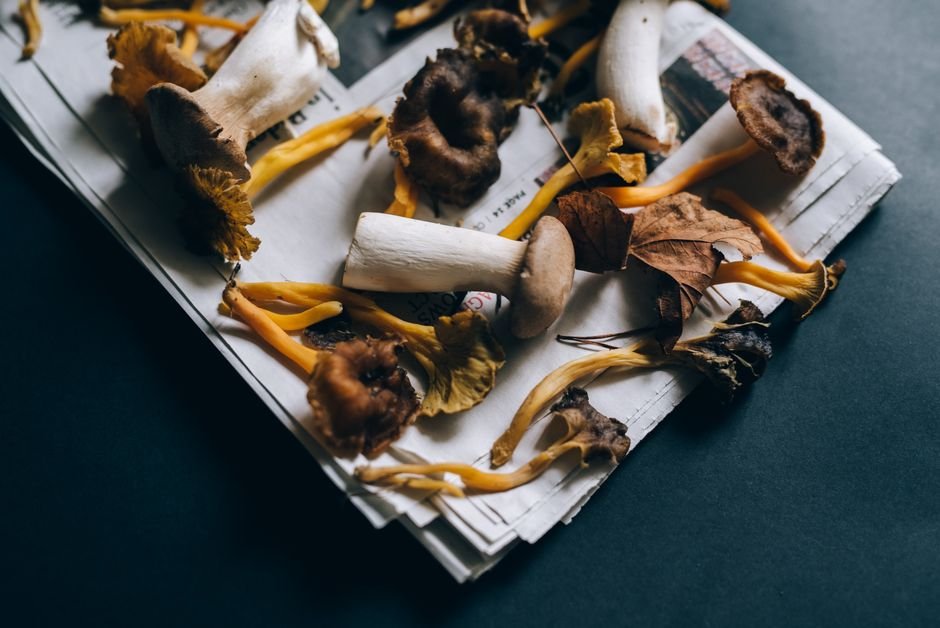
Let’s not overcomplicate it. You’ve seen the news. Mushrooms are harder to find, and when you do spot them, prices sting. If your business uses mushrooms, if you work in food, or if you’re a creative entrepreneur looking for gaps in the market, pay attention. The mushroom shortage is real, and the causes are as practical as they are frustrating. Here’s what’s happening—and what it means for you.
The Heart of the Shortage
So, what’s behind the mushroom drought? Forget silent disasters or a secret “fungal apocalypse.” The shortage is a puzzle of workforce gaps, missing materials, patchy harvests, and increasing appetite at the table. You don’t need to be an expert. You just need the facts.
Small growers. Big producers. Restaurant chains. They’re all feeling the pinch. If you’ve checked your favorite menu lately, you’ve probably noticed fewer mushroom options—or a price jump. It isn’t hype. It’s supply 101.
Labor Shortage—And Why Pennsylvania Matters
Start here: labor. You don’t need a full lab. You need hands that know how to pick and package mushrooms—fast, clean, and every day. People. That’s what’s missing.
Pennsylvania isn’t just “some” player. This state grows over 60% of U.S. mushrooms. The whole supply chain leans on its workforce. But too few workers are willing to do this demanding work, and tough immigration policies have shut out many who used to fill those roles.
No workers? No mushrooms picked. Simple as that. Growers can leave millions of pounds unharvested each week. That’s product someone was ready to buy—gone. If you rely on steady supply, you can’t ignore labor.
You don’t need more tech. You need a hiring solution, or you adapt. Smart entrepreneurs are scrambling, offering higher wages, bonuses, and even housing. But the shortage persists.
So, if you’re in food, look for backup plans. Freeze, dehydrate, diversify. Don’t let the labor shortage take you down too.
Input Material Shortages—Compost, Peat Moss, and Rising Costs
You know what mushrooms need? Compost. Peat moss. Water. You need inputs before you harvest outputs. And right now, those inputs are in short supply.
Peat moss—long the backbone for mushroom substrates—has nearly doubled in price in some places since the COVID-19 pandemic. Why? Disrupted transportation. Supply chain headaches. Harsh weather in northern peat-producing regions.
Compost ain’t free either. Farmers depend on reliable, affordable organic matter to get yields. If your input costs explode, you pass it down the line—or cut corners.
The result is predictable. Costs climb, margins shrink, and some producers cut back on production—fueling the shortage cycle for everyone else. Want to get creative? This is an open door for substitutes, upcycled materials, or local compost innovation.
Think like a scrapper. Ask, “What’s available, not what’s ideal?” Innovation comes from constraint, not comfort.
Production Challenges and Harvesting Bottlenecks
Here’s where things get ugly. Even when farms have the right staff and the right compost blend, harvests still get skipped. Why? Production cycles in commercial mushroom growing are fast—it’s not a hobby garden.
Commercial growers often plan for three major harvests per crop. But if they don’t have labor, or materials run short, they’ll only pick the first two. That third harvest—up to 30% of the crop—rots out.
You don’t want wasted product. You want revenue. Every missed harvest is money left behind, shelf space emptied, and customer trust eroded.
For entrepreneurs, this means flexibility is gold. Don’t lock your business to one harvest window or one low-bid supplier. Set yourself up to pivot. Buy flash-frozen mushrooms out of season. Work with small regional farms. Try wild varieties.
Not everyone is nimble enough to seize these gaps, but you should be.
When Demand Surges Ahead of Supply
And just as the pipeline chokes, customer demand soars. It’s a perfect storm. Restaurants bounce back. Foodservice reopens. The flexitarian and plant-based trend mushrooms (pun intended) into mainstream.
You don’t need to be Whole Foods. You need to listen to your buyers. If your customers want mushrooms—fresh, pickled, in sauces—your supplier woes become your problem very fast.
Menu prices go up. Options get trimmed. Smaller players get squeezed out, and the big chains use volume contracts. If you sell to restaurants or direct to consumers, plan price hikes and substitutions now. Don’t apologize for market realities. Just be transparent.
Some smart shops are rebranding “shortages” as “seasonal,” or pushing local mushroom varieties no one tried before. Opportunity hides inside adversity. Look for the gap, then fill it.
Climate and Wild Mushroom Woes—The Catalonia Example
Not all shortages are about people or supply chains. Sometimes, the weather just wrecks you. European wild mushroom fans learned this the hard way in Catalonia.
Too little rain. Too much heat. Autumn comes dry, not damp. Suddenly, the forests produce a fraction of their normal wild mushroom haul. That means foragers and gourmet restaurants in Spain and beyond are out of luck—and so are importers and boutique food sellers.
If your business leans hard on seasonal, wild products, you need backup plans. Stockpile in the peak. Freeze, dry, and preserve. Or, better yet, educate your customers. Set expectations that nature is unpredictable, and plan backup dishes.
This is the playbook for all climate-affected ingredients. Don’t overpromise. Get real about risk, pad your supply, and train your buyers to love what’s available. Flexibility wins.
Economic Realities—Hikes, Losses, and Industry Angst
Let’s talk practical effects. Mushroom producers are missing weekly shipments of a million pounds or more. That means supermarkets get shorted, and restaurants can’t plan menus.
Prices tick up. No, they leap. Retail shelves might look normal until, suddenly, nothing is in stock for a week. Customers get annoyed or switch cuisines.
Some in the industry are worried about survival. Margins are thin, labor is tight, input costs spike, and demand keeps rising. One or two bad seasons, and smaller growers throw in the towel.
You don’t need to be a victim. You need speed, resilience, and visibility in your supply chain. Negotiate better, friendlier terms—even if it’s just a six-month deal. Look for micro-suppliers. Don’t wait for the “market to stabilize.” Steal hungry customers while everyone else freezes.
Want to see how other scrappy businesses survive commodity storms? Check out sites like SmallBizBit—plenty of low-lift, high-impact moves you can borrow today.
The Road Ahead—Getting Through the Shortage
You don’t need a miracle. You need a plan. So, where does this all leave us?
The mushroom shortage—at least for now—is sticking around. Labor woes in Pennsylvania aren’t solved overnight. Peat moss and input costs are likely to stay high. Climate swings aren’t getting less wild. And demand? Still climbing.
But here’s your playbook:
Diversify Your Sourcing: Don’t rely on one giant farm or one distributor. Build a network. Find local, regional, and even international backup sources. Yes, it’s more admin. Yes, it’s worth it.
Try New Mushroom Varieties: White buttons and creminis are great. But if they’re missing, pivot to oyster, shiitake, lion’s mane, or even dried wild mushrooms. Teach your customers new recipes.
Pre-buy and Preserve: If you get a good price or bumper load, lock it in—freeze, dry, or can. Don’t wait for the next drought.
Rely on Transparency: Customers respect honesty. Post shortage signs, share stories, even run “Mushroom-Free Specials.” Make scarcity part of your brand. Don’t let grumbles eat your margins.
Advocate for Policy Change: If you’re a bigger player, get loud. Speak up for smarter immigration and labor practices. A future without workers isn’t just tough—it’s impossible.
And most importantly—don’t panic. Every shortage is someone else’s market-opening moment. If big farms cut back, small-scale or alternative producers can step up. Flexibility and hustle beat size every day.
You don’t need a perfect mushroom market. You need grit, and a plan for what’s next.
Conclusion: Challenge? Good. Opportunity? Better.
You don’t need calm seas to sail well. The mushroom shortage is no one’s idea of fun, but, handled right, it’s a chance to show what you’re made of. Adapt. Learn. Partner with unlikely allies. Look for innovation when old ways break.
Mushrooms are scarce, but opportunity isn’t. The winners here are the ones who act, not react. If you want to stay in the game—or leap ahead—this is your moment.
Ready to do business when others can’t? Good. Start small. Focus on what drives revenue. Fill the gaps. And let the mushroom crisis make you sharper, nimbler, and more resilient, for whatever comes next.
Also Read This:
