

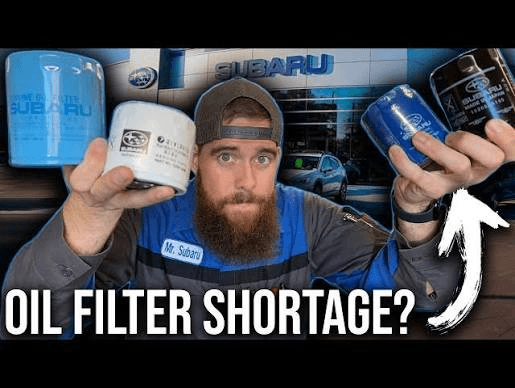
Let’s cut through the noise. Yes, there’s an oil filter shortage—but it’s not the doomsday you’re picturing. This isn’t “the world ran out of oil filters.” It’s a targeted hit. Think retailer-by-retailer. Brand-by-brand. If you walked into Walmart in late April and found empty shelves where the FRAM or Mobil 1 filters should be, you’re not alone. Amazon listings dried up too. You probably grumbled, but automotive shops and car owners across the country grumbled with you.
But the shortage wasn’t everywhere. Regions and brands were hit differently. FRAM filters? Scarce. WIX, Amsoil, or private-label options? Sometimes gone, sometimes there. It’s always about supply chains. Always about who controls the taps.
Why This Shortage? Context Matters
Blame the upstream. Here’s the truth: if one huge manufacturer stumbles, the effects ripple down the chain. That’s exactly what happened. The critical players? First Brands Group, Champion Labs, and their subsidiaries—especially FRAM.
Look closer and you’ll spot a pattern. When a massive supplier for dozens of brands hits a wall, everybody who relies on them gets whacked. In aviation back in summer 2022, Champion got tangled up, and suddenly aircraft spin-on filters became unicorns. Same dynamic. When one supplier stops, shelves go bare, whether you’re flying a plane or changing your car’s oil.
The First Brands Fallout
Here’s your culprit: First Brands Group. They own FRAM and Champion Labs. They’re massive in the private-label filter production scene—think the gears behind the curtain. Well, the machine jammed. In 2025, First Brands filed for Chapter 11 bankruptcy. Champion Labs closed a major plant, halting production for their biggest brands. Caught in the crossfire? FRAM, Amsoil, and tons of private labels whose filters rolled off those lines.
No surprise: people posting online about “no FRAM at Walmart” or “Amsoil backordered.” Of course they’re missing. The production lines that fed retail giants and specialty shops just shut off. Walmart’s auto centers? Same thing—FRAM filters evaporated because supply contracts hung on one manufacturer. If your supply eggs are in one basket and someone steps on it, you mop up the yolk.
The Domino Effect: Panic Buying and Logistics Sabotage
It’s never just one fire. Supply chain issues chase each other like dominoes. The factory closes. Retailers panic. Bulk buyers and fleet operators sweep up what’s left. Seat-of-the-pants resellers pounce on remaining inventory. What comes next? Shelf after shelf goes empty. Just like, remember early COVID when toilet paper disappeared? Same game. People stockpiled. Commercial outfits doubled up on buffer stock just to keep vehicles on the road.
Seasonal demand spiked, too—spring maintenance time means everyone wants filters right now. Add in port congestion, delivery backlogs, and every little blip grows. Even if one supplier’s failure is the spark, panic buying is the gasoline. The result? You see “out of stock” everywhere and assume the world’s ending. Good. Use that sense of urgency. It forces you to hunt smarter.
Is This a Total Market Crisis? Hardly.
Here’s the reality check: Global oil filter production is humming along. The worldwide market is growing. In 2021, it stood around $3.2–$3.3 billion. By 2030, some forecasts put it as high as $8.4 billion. So, are all oil filters disappearing? Not even close.
Shortages hit when supply lines are funneled through a single player—think FRAM and its affiliates via First Brands. Your local auto store or dealership might have alternatives. They might be stocking different brands, or even OEM filters with a direct pipeline. That’s your opportunity. Stop sulking about the missing brand. Start looking at the spec sheet instead. In most cases, you just need a filter that fits and meets basic standards.
Microcosms: Aviation and OEM Woes
Want a lesson in dependency? Ask a flight school in 2022. Champion (the aviation filter king) went silent. All the disposable aircraft oil filters—gone. Tempest, a smaller rival, couldn’t crank out double the filters overnight. Planes got grounded. Inspections stopped. Rental shops lost money, all over a $40 part.
Same story played out with Subaru filters. Subaru and its supplier had a pricing squabble. Suddenly, those white “genuine” Subaru filters vanished. Subaru switched vendors, released new part numbers, and resorted to unbranded filters. It was awkward, temporary, and 100% driven by contract breakdown, not a lack of tech or materials.
Here’s your lesson: Dependency is dangerous. If your business or side hustle relies on a single source, you’re gambling. Get a backup or get burned.
How Long Will This Stretch Last?
Good news. This isn’t permanent. Even if you’re used to walking into Walmart and grabbing filters without thinking—the disruption is months, not years. Industry sources expect things to shake out in one to three months. Why? Because the market adapts. Fast.
Amsoil lined up a new filter supplier within weeks after Champion’s plant went down. Subaru resolved its bottleneck in a matter of months. After a similar issue in aviation, Champion eventually ramped production back up and new players filled the cracks. The bankrupt factories will either get retooled, sold, or replaced by hungry competitors. Retailers will spread their risks, sign new contracts, and—bingo—the shelves refill.
In other words: Expect spotty supply for a bit, but don’t expect the oil filter aisle to be permanently barren. This is a hiccup, not a crisis.
Take Action: What Should You Do?
Stop waiting and hoping your favorite brand magically appears. Take control. You don’t need one exact brand; you need your car serviced and your business running. Here’s how to play it smart:
– Try independent parts stores and regional chains. Many got supply from other plants or wholesalers.
– Accept substitutes. Does Fram fit your vehicle but isn’t available? Use a high-quality OEM or another reputable line. Check your manual, verify specs, and make the swap. You’re not precious, you’re practical.
– Run a tighter inventory buffer if you’re a shop owner or fleet manager. Don’t wait for it to go out of stock. Keep a few units ahead, not a warehouse.
– Don’t let a single supplier choke your operation. Split your orders among multiple vendors.
Are you running a side hustle in auto maintenance or thinking like an entrepreneur? This is the moment to set up agile, resilient systems. The old “just-in-time” days are fading. Build in small buffers. Negotiate flexible contracts. Press for diversification with your supply partners. Want more creative tactics to keep your business moving? Check out this resource at smallbizbit.com for moves that save your sanity and your margins.
Still feeling boxed in by shortages? Good. That’s pressure. Smart operators use friction as an edge. When peer competitors complain, you adapt faster. You source alternatives. You stay in business while they’re stuck waiting.
The Big Takeaway: Don’t Wait. Adapt.
You don’t need the perfect filter. You need your vehicle—or your fleet—running today. You don’t need to pledge loyalty to a logo. Focus on quality and reliability, but don’t let brand scarcity stall your business or side hustle.
If a supplier collapses, look for vendors who can pivot and restock fast. Start small. Try new brands and negotiate as you go. The market always adapts. Inventory gaps don’t last. The winners are the ones who act, not the ones who complain.
Here’s your playbook: Seek out alternatives. Source smart. Keep buffer stock. Challenge the “one brand fits all” myth. You don’t need an excuse. You need solutions that work right now.
No more wishing. No more waiting. You’ve got options—grab them and keep moving. That’s how you turn a temporary shortage into a long-term advantage.
Also Read This:
