

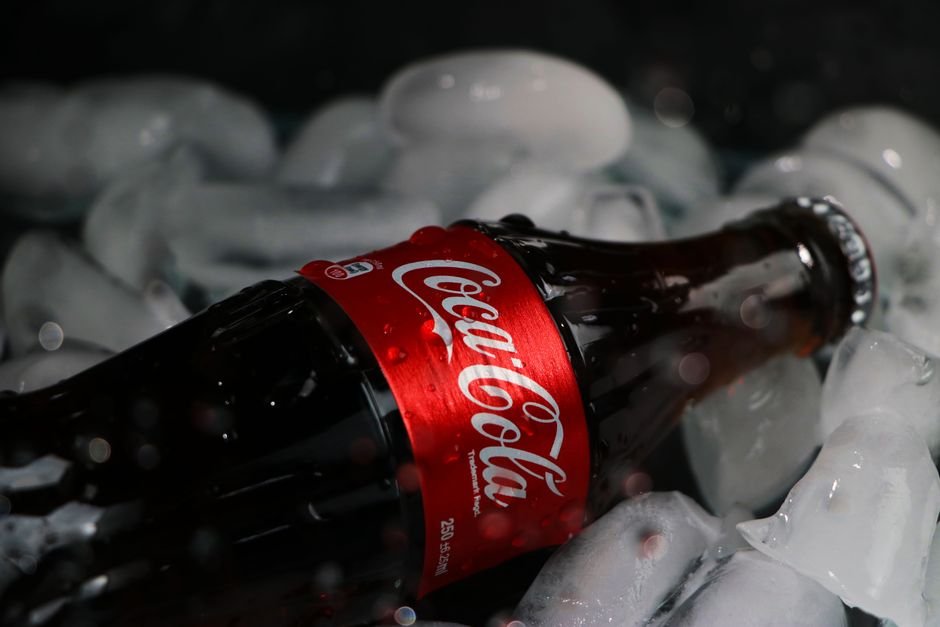
Funny, isn’t it? You never think about supply chains until you can’t get your hands on something simple—like an ice-cold Coke Zero. But you want the facts, not a sympathy card. Coke Zero is a staple—for entrepreneurs pounding out proposals, freelancers at midnight, or corporate pros jamming between calls. Suddenly, it’s missing from shelves. Annoying? Yes. But there’s a method to the madness.
You don’t need excuses. You need answers. Let’s break down exactly why you can’t get Coke Zero right now, who’s to blame, and what you can do to keep your caffeine fix—and your business—moving forward.
Key Factors Behind the Coke Zero Shortage
Here’s the reality. The shortage isn’t about your local store slacking off. It’s about global supply chains buckling in real time. Don’t waste time looking for a scapegoat. Learn the levers, and you’ll see opportunity.
Aluminum Can Availability: Tiny Cans, Massive Bottleneck
You want Coke Zero? You need cans. That’s problem number one.
Aluminum isn’t just a “nice to have.” It’s the lifeblood of soft drinks today. When aluminum gets scarce, companies have to choose what goes into the cans they do have. Coke Zero relies far more on cans than bottles, especially in the U.S. and UK. When aluminum supply tanks, so does your access to your favorite zero-sugar firepower.
Pandemic lockdowns sent demand for canned drinks through the roof. Restaurants closed—the party moved home. Producers couldn’t ramp up fast enough to catch up. Bottom line? Major beverage makers, including Coca-Cola, reported can shortages. Coke isn’t the only brand hit, but Coke Zero stands out because cans are almost its only form.
You don’t need to overthink this. No cans, no Coke Zero. Good. Now ask: what can you control?
Transportation Challenges: When Logistics Fail, Choices Shrink
Next up—getting the stuff where it needs to go. You know logistics is king. When trucks stop, profits dry up.
The UK felt Coke Zero shortages especially hard. Why? HGV (heavy goods vehicle) driver shortages. Pandemic restrictions, pay disputes, and Brexit all played a part. That meant thousands of cases of soda stuck at bottling sites or ports.
The U.S. saw similar issues. Warehousing backups and overloaded trucking networks forced Coke distributors to prioritize. Sometimes they skipped less critical or specialized drinks—like Coke Zero—just to keep flagship products moving.
You don’t need sympathy. You need to see how fragile “automatic” delivery really is.
Ingredient Disruptions: Sweetener Snafus Create Ripple Effects
No sweetener, no Zero. That’s simple math.
Most Coke Zero is sweetened with aspartame and acesulfame potassium, both sourced largely in China. COVID shutdowns stopped ingredient shipments dead in their tracks. When the ingredient pipeline clogs, Diet Coke and Coke Zero take the hit first. Classic Coke? Much less affected—it’s just sugar.
So, the knock-on effect? If you rely on a trendy ingredient or single global supplier, you’re exposed. Sound familiar? Think about your own offerings.
Regional Impact: Some Markets Hit Harder Than Others
Let’s get clear: Coke Zero is not “disappearing from the planet.” Most shortages are regional and temporary. The real question—why does it hit some places and not others?
Look at patterns. The U.K. and Australia got hammered because their markets lean heavily on canned zero-sugar sodas. U.S. cities with a big home-drinking culture and high supermarket turnover also report empty shelves. Europe? Mixed bag. In places where bottles are more popular than cans, shortages barely registered.
Takeaway: Market habits amplify risk. One hiccup, and whole regions are scrambling. If you’re building a business, this is your cue to diversify—not depend on just one channel.
Alternatives and Responses: How Smart Businesses—and Consumers—Adapt
You can complain. Or you can adapt. Retailers don’t just let empty shelves stay empty. They swap in whatever they’ve got—often Diet Coke, Coke Light, or local zero-sugar options.
Some grocers set limits per person to keep hoarders at bay. Online sellers jack up prices—yes, even for Coke Zero. Entrepreneurs spot scarcity and build workarounds, from private-label “zero” sodas to regional distribution hacks.
How do customers react? Some get cranky, sure. But most just pick the next best option. If you live by one product—danger. Build flexibility. Offer what’s available, not just what’s ideal.
You don’t need the perfect inventory. You need to keep revenue moving. That’s the only way to survive chaos.
Demand Trends and Market Dynamics: Why Scarcity Isn’t a Popularity Problem
Let’s kill a myth. Coke Zero shortages aren’t about falling sales. They’re about not being able to meet hungry demand.
At-home beverage consumption exploded during the pandemic. Offices closed, but your need for caffeine and fizz didn’t. Coke Zero, always a fast climber, surged ahead—sometimes faster than Coke Classic or Diet Coke.
Coca-Cola’s sales data backs it up. Coke Zero is one of their hottest sellers in several key regions. They didn’t pull it back because people didn’t want it. Quite the opposite—the pipes just got clogged.
So don’t write off your own product because you hit a bottleneck. If people want it, they’ll come back when it’s back.
Future Outlook: Cutting Through the Noise and Spotting Solutions
Want to know if Coke Zero will return to normal? Watch these signals:
– Aluminum supply is gradually tightening back up. New production is coming online. Smart producers are diversifying can and bottle sourcing.
– Trucking and transport networks are rehiring, automating, and streamlining. Logistics technology is improving route planning and cross-docking efficiency.
– Risk is falling for wholesale sweetener shortages. Manufacturers are stockpiling key ingredients and finding new suppliers.
But don’t bet everything on big players solving every hiccup. Think like a scrappy entrepreneur. Set yourself up to reroute, substitute, or pivot your offer when needed. Coke is investing in supply chain resilience. You should, too.
Curious how other boots-on-the-ground businesses respond to stuff like this? Check out the practical growth playbooks at SmallBizBit. You’ll find low-lift, high-impact tactics that work—even when the shelves are bare.
You don’t need 100% certainty. You need a system for uncertainty. Coke Zero will come back before most people even finish their complaints.
Conclusion: What the Coke Zero Shortage Means for Your Hustle
So, next time you see an empty slot where Coke Zero belongs, don’t just shake your head. See the pattern: a chain reaction of supply, transport, and ingredient breakdowns caused that gap.
No, you can’t control global aluminum prices or Chinese sweetener shipments. But you can control how nimble your business is. You can swap, pause, or reroute. Shift your offer when your first-choice product is nowhere to be found.
Want an advantage? Find the lesson in the loss. Diversify your supply. Offer substitutes. Reassure your customers that you solve their real needs—be it caffeine or convenience. Remember: You don’t need perfect conditions. You need grit, creative thinking, and a backup plan.
Coke Zero’s availability will stabilize. But supply chain surprises won’t go away. Build your business to thrive in the chaos—not just survive.
Start small. Focus on what moves the needle. Adapt, don’t wait. That’s how you turn a shortage into an opportunity.
Also Read This:
