

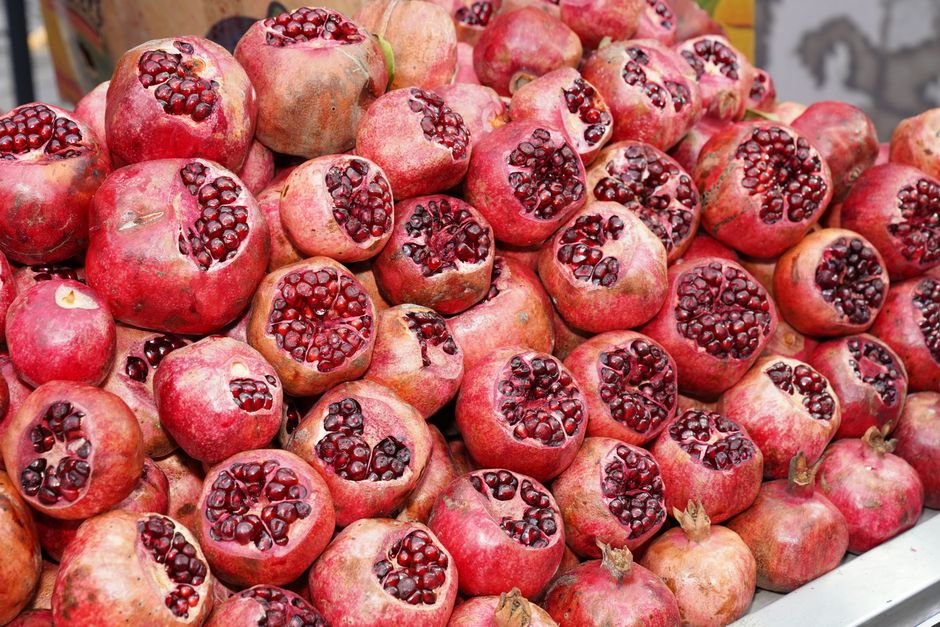
You walk into the store. No pomegranates on the shelf—again. Is it just bad timing, or is there a real pomegranate shortage? Short answer: Yes, it’s real. Since late 2023, global supply has been squeezed tighter than a juice press. It’s not just one bad season. You see the impact in North America, Europe, and almost any premium juice brand on your grocery run.
Ignore the voice that says, “It’s just not pomegranate season.” That only covers half the truth. This time, the shortage runs deeper—even during peak harvest months. You don’t want excuses. You want the facts so you can act.
Why Is There a Pomegranate Shortage?
Let’s skip the noise and break down the main causes. Four big factors, all hitting at once. Think of it as a traffic jam on your supply chain.
Weather Wrecks the Crop
Pomegranates thrive in warm, dry Mediterranean climates. But lately, the weather isn’t cooperating. In 2023–2024, growers from Turkey to Spain got sideswiped by unpredictable cold snaps, then blasted by extreme heat and water shortages. Some Turkish orchards lost 35% or more of their normal harvest. Trees, blossoms, and fruit suffered. You want yield? You need consistent weather. Instead, climate change is stacking the odds against you.
Don’t kid yourself—drought tolerance doesn’t mean drought immunity. Pomegranates still need good irrigation at the right time. Miss the window, and your entire harvest can slip through your fingers.
Water Stress and Dying Orchards
Water isn’t free, and in many growing regions, it’s running out. Chronic overuse of groundwater means many orchards—those “drought-tolerant” investments—are now struggling to survive. Sure, a little less water might actually bump up antioxidants in the fruit, but too little, and orchards start to decline for years. Yields drop. Fruit cracks or shrivels. Future supply gets pinched, not just this season but for several to come.
If your supply chain starts with a well and ends with a dry pump, you’re out of luck. You don’t need a miracle. You need water security and smarter irrigation. Start there.
Trade and Logistics Chaos
Maybe there was enough fruit somewhere on Earth. Could you get it to market? Not so fast. Turkey, a major exporter, clamped down on pomegranate shipments to protect domestic food security after rough weather and price spikes. Conflict in the Red Sea meant shipping delays or detours from Asia and the Middle East. So, one country has a bad year, and global trade can’t fill the gap. That’s how shelves go empty and prices double overnight.
You can’t rely on business as usual. Agility trumps size. Build backup plans—or watch your opportunities dry up with the next shipping jam.
Soaring Demand: “Superfruit” Status Matters
Don’t ignore the pull of marketing and a health-hungry public. Pomegranates aren’t just fruit anymore—they’re a must-have “superfruit.” Juice brands, supplement makers, and health bloggers have fueled a worldwide hunger for pomegranates. Even before climate and water woes, producers couldn’t always keep up. Remember Pom Wonderful running out of juice and rationing customers? That wasn’t a fluke. It was a warning.
If you see a feeding frenzy, don’t expect stable prices or easy supply. Expect competition, and set yourself up to move fast—not wait for the market to calm down.
Who’s Getting Hit the Hardest?
It’s not just one country. The pain cuts across regions and product types.
Mediterranean and Middle Eastern Origins
Turkey is the canary in this coal mine—one of the biggest exporters, and now ground zero for weather damage. Their 2023–24 export season ended up to three months early, with worse cuts than anyone predicted. Other Mediterranean countries—Spain, Greece, Italy—also dealt with harsh weather, making fresh pomegranates scarce throughout Europe. If your business depends on predictable supply from these regions, rethink your assumptions.
California’s Slide
The story doesn’t change much in North America. California lost around 35% of its usual output, thanks to drought and water rationing. Don’t fall for the myth: “Water-stressed fruit is always higher quality.” Sometimes, you get better taste. Sometimes, you just get cracked or undersized fruit—lower yield, less profit.
If you’re waiting for California to bail you out, prepare to wait longer.
India: The Giant That Struggles to Ship
India grows a huge amount of pomegranates but ships out only a small slice—around 6–7% of global exports. Why? Post-harvest losses and marketing headaches eat up nearly a quarter of harvest in some states. Translation: Tons grown doesn’t equal tons on your shelf.
Fixing the pomegranate shortage isn’t about planting more trees in India. It’s about investing in better storage, faster logistics, and export-friendly handling. The world doesn’t run out of pomegranates—pomegranates just run out of good supply chains.
Don’t Blame It All on Seasonality
You’ll hear experts say, “It’s just the off-season. That’s why you can’t find pomegranates.” Not quite. Sure, pomegranates are always scarce in summer. That’s just nature’s cycle—harvest hits October through February in the Northern Hemisphere.
The real difference now? Even in peak season, you’re seeing empty shelves and shorter marketing windows. Turkey ended shipments in December instead of March. Europe saw Christmas shortages. Prices spiked. Your juice supplier started rationing volume. That’s more than just summer scarcity—it’s a structural shortage.
Don’t let “seasonality” stop you from digging deeper. When the normal cycle breaks, you’ve got a problem—and a chance to win if you act on it.
The Money Side: Price and Profit Pressure
You don’t need fancy charts. Less supply, steady demand—prices go up. Basic rules, sharp consequences. Pomegranates cost more per fruit, per case, per liter of juice. Fresh fruit gaps hit hardest, but even juice, concentrates, and some supplement brands get squeezed.
Sometimes, brands just give up earlier in the season. Others raise prices. Premium or organic juice? Prepare to pay—or wait. Pom Wonderful once rationed bottles instead of buying foreign juice. Not a fluke. It was strategy.
What gets cut next? Shorter shelf availability. Fewer promotions. Some brands shift to blends or drop pomegranate SKUs for the season. Your margin, your shelf space, your opportunity—gone if you don’t adapt.
What’s Next? Timing Your Comeback
So, how long will this pomegranate shortage last? Don’t expect an overnight fix. Many analysts see tight supply through the next harvest—late 2024 at best. Want lower prices? Hope for good weather, open shipping lanes, and lifted export restrictions. Otherwise, brace for another year of pain.
Thinking longer term? Picture this: If smarter practices and new technology take hold, pomegranate area worldwide could expand sixfold. Yields could multiply ten times. Sounds big, but don’t count your harvest before it’s watered. Chronic water stress in arid zones is killing orchards. If you want sustainable growth, build smarter irrigation and protect your water sources now.
Planting more trees means nothing unless you can keep them alive and deliver fruit to market—profitably and reliably. Focus on these fundamentals. Start small. Solve the root problems, then scale up.
Which Products Are Most and Least Affected?
Don’t lump all pomegranate products together. Here’s where the squeeze hurts most:
– Fresh fruit: Most vulnerable, shortest shelf life. Shortages and high prices hit here first and hardest.
– Long-shelf-life juices and concentrates: Less volatility—brands buffer with last season’s inventory. Still, expect cost hikes.
– Premium, fresh-pressed, or organic pomegranate juice: Extra pain. These brands can’t blend in concentrate or skip a season. Outages and price hikes are routine.
– supplements and extracts: End of the line. Lower risk of shortage. Why? Manufacturers use dried extracts or preserved concentrate, stockpiled from multiple origins.
Play the long game. If your business relies on just-in-time fresh product, you’re exposed to shocks. Diversify your sourcing. Build inventory flexibility. Or pivot to shelf-stable types in the off-season.
Takeaway for Entrepreneurs and Creators
Why do you care about a pomegranate shortage (besides frustrated shoppers at your farmers’ market table)? Here’s your leverage. Supply shocks are pain for the slow—but jet fuel for the scrappy. Watch where big brands pull back. Step in where others wait for “normal” to return.
Running a juice bar? Try blended pomegranate drinks, limited drops, or pick up lesser-known origins like Indian or Israeli fruit. Launch a guide: “Why You Can’t Find Pomegranates (and How to Hack Shortages All Year).” Write, record, consult—show your customers you’ve got their back.
You don’t need a perfect, always-on supply chain. You need resilience, alternatives, creativity. What’s in short supply is your chance to stand out.
Advice for action: Set up small test orders from nontraditional suppliers. Invest in simple storage or inventory buffers. Teach your customers about seasonality and scarcity—turn market gaps into teachable moments, not just headaches.
Ready for the next shock? Start now, before the shelves fill again. Be the first to learn, pivot, and profit—while bigger players wait for “business as usual.” Want more low-lift, high-impact business tactics? Head to SmallBizBit and skip the excuses.
You don’t need approval. You need initiative. Use the pomegranate shortage as your training ground. Solve for scarcity. Redefine the rules. Because where others see missing fruit, you see a door swinging open.
Also Read This:
