

Here’s a headline you probably didn’t expect to see in 2024: “Out of Ice.” Yes, we’re talking about the humble stuff in your drink, the dry ice behind vaccines, and the ancient glaciers feeding rivers and crops. Don’t roll your eyes—this hits your business, your city, your life, faster than you think. Ignore it, and you’ll miss an opportunity to adapt while your competitors sweat (literally).
Let’s get brutally practical. There are three big “ice shortages” right now. Each one is a wake-up call. Ready to skip the drama and talk solutions?
Commercial Ice Shortages: When the Party Stops Cold
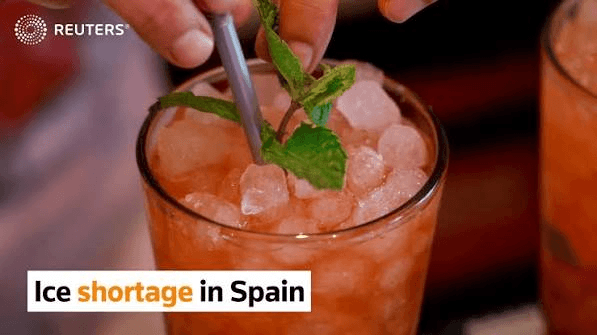
Didn’t expect bagged ice to be a hot topic? Good. That means your competitors aren’t paying attention. In 2022, Spain got blindsided. Here’s what happened.
Ice plants hit pause early in the year. Why? Their energy bills jumped 50–60%. The economy looked shaky. They played it safe, delayed production, and let stocks run low. Cue a scorching summer, a tourist surge, and nightlife roaring back after COVID. Suddenly, demand rocketed.
Result? Stores rationed ice—two bags max per customer. Bars and clubs watered down their cocktails. Not cool. Customers got annoyed. Business owners scrambled. This wasn’t war or a natural disaster. It was just bad timing and cost worries.
You think this is just Spain? Think again.
In the U.S., the summer of 2021 brought bagged ice caps in Idaho, Colorado, and Montana. What caused it? Brutal heat meant everyone wanted more ice. Plus, some plants couldn’t get enough workers. This is basic: When you don’t invest ahead—and don’t plan for spikes—you get shortages, angry customers, and lost sales.
Here’s the script: Seasonal demand + rising costs + labor issues = short-term chaos. If you sell, transport, or rely on anything perishable, that’s your warning.
Dry Ice Shortages: The Structural Slowdown No One Can Ignore
Now let’s get serious. Bagged ice problems are irritating. Dry ice shortages could spell disaster for entire industries—food, pharma, logistics, you name it.
Dry ice is just frozen CO₂. It keeps things colder than regular ice. Vaccines? Yep, it’s required. Frozen food? Ditto. Here’s the curveball: You can’t just whip up dry ice with a freezer. You need CO₂ from big industrial plants—fertilizer, ethanol, ammonia, refineries.
Here’s the real kicker. Those CO₂ plants? They’re getting old, shutting down, or shifting gears. As they leave the market, the supply of CO₂ doesn’t keep up with rising dry ice demand.
The numbers are ugly. Dry ice demand is growing around 5% per year—think fresh foods, e-commerce, medical shipments, new business models. But supply? It’s barely crawling at 0.5% growth per year. That math doesn’t work for long.
Let’s talk about California. By 2026, three major CO₂ plants will be gone—one this year, two more soon after. That’s up to 850 tons per day of supply gone. Prices? Up over 300% during past crunches. Cold-chain businesses are already rethinking everything from packaging to alternative refrigerants.
The plot thickens: More CO₂ now gets diverted to carbon capture (read: underground storage for climate goals), shrinking what’s left for industry even further.
During COVID, when fewer people drove and drank less ethanol, the CO₂ tap slowed to a drip. That sent dry ice into panic territory and made headlines across logistics, hospitals, and food manufacturing.
The tough news? This isn’t a short-term blip. It’s a slow-building, structural squeeze. There’s no magic fix on the horizon. Miss this trend, and you will lose out.
Want to win? Don’t wait for someone else’s solution. Can you cut your cold-chain needs? Could you partner with operations using alternative cooling? Or even prototype low-dry-ice packaging that travels farther? Start now. Iterate fast.
Environmental Ice Shortage: Melting Your Future Supply Chain
Maybe you’re thinking, “OK, bagged ice. Dry ice. But glaciers? Arctic sea ice? Not my problem, right?”
Wrong. Shrinking natural ice isn’t just some environmental headline. It’s a supply chain bomb, especially for water, food, and regional stability. Ignore it, and you’ll pay—sometimes literally.
Let’s get specific. Glaciers and mountain snow act as giant, free water towers. They store water in cold seasons and release it gradually for drinking, irrigation, hydropower, and business in warm months. Recent science is blunt. These ice reserves are melting, everywhere, driven by human-made warming.
Take Austria. This winter, snow levels hit a historic low—missing up to 35%. That means glacier ice is exposed six weeks earlier than usual. When snow’s gone, sunlight melts ice at breakneck speed. Each snowless day strips away 10 centimeters of glacier thickness. Summer 2025 may bring double the glacier melt of previous years.
Here’s the price tag: less water downstream, more expensive irrigation, power shortages, and unpredictable growing seasons. If your region relies on glacier-fed rivers—Asia, South America, Europe—count on more volatility and risk.
Need another punch? The Himalayas have lost 270 billion tons of ice per year for two decades. That’s water for hundreds of millions—gone. Local innovators now build “ice stupas”—giant, conical ice piles storing winter meltwater, dripping out water for irrigation as summer scorches on. That’s scrappy adaptation in action, but it can only slow the loss.
Now zoom out to the Arctic. Here’s where things get weird. Arctic sea ice is vanishing on a decades-long curve, but the rate of decline actually slowed down from 2005–2024. That’s a temporary reprieve, thanks to unpredictable climate swings.
But here’s the reality check: Peak Arctic winter sea ice? Still near a record low. If the slowdown ends, models say melt could accelerate at double speed. Lower ice means hotter summers globally, more extreme weather, and rising sea levels. Don’t assume you have more time than you do.
Commercial vs. Structural vs. Environmental Ice Shortages: What Should You Do?
Let’s make this actionable. There are three kinds of ice shortages. Each tells a different story, but they’re all signals to you—the entrepreneur, the builder, the professional betting on growth.
Commercial bagged ice shortages—like Spain or regional U.S. outages—show how quickly business can freeze up over a predictable, but mismanaged, seasonal spike. These are recoverable: ration, source alternatives, tweak logistics. But if you sell anything seasonal, set yourself up with backup suppliers or on-demand manufacturing. Don’t wait for panic to learn the lesson.
Dry ice shortages are more serious. They’re not just local spikes. This is a slow-motion supply crisis for pharma, food, and cold-chain logistics. If you depend on dry ice for your service, start piloting packaging that needs less cooling. Partner with logistics companies using new phase-change materials. The key? Build resilience now. You don’t need a perfect supply chain—just one that won’t cripple you when CO₂ gets scarce.
Environmental ice shortages will outlast you unless you adapt. They’re global, long-term, and driven by climate change, not just market chaos. These shortages hit water supplies, agriculture, and energy, raising costs for everyone down the line. Borrow a page from Himalayan “ice stupa” inventors. If you rely on seasonal water, build or invest in artificial storage. Optimize water usage, invest in drought-resistant inputs, or collaborate with local tech able to stretch supplies in lean times.
Here’s the upshot: Don’t complain about volatility. Use it. Turn ice shortages—whether commercial, structural or environmental—into a catalyst for reinvention. Shift your offering, innovate your supply model, and create what everyone else overlooks.
Still Think You Can Ignore the Ice Squeeze? Good Luck.
Ice isn’t just about drinks. It’s cold-chain protection, water security, and the hidden backbone of global logistics. When supply tightens up, hustlers spot opportunity. Everyone else freezes.
This is not about doom and gloom. It’s about ruthlessly identifying risks and shifting gears before your competition does. Start small and cheap. Don’t overthink it. Can you cut reliance on traditional ice? Find cheap backup suppliers? Invest in “ice insurance”—like backup refrigeration or water storage? Experiment with minimal upfront cost.
You don’t need the perfect plan. You need the guts to move first.
You don’t need a government bailout. You need adaptability.
You don’t need perfect climate. You need backup solutions—like ice stupas or better packaging—when business as usual collapses.
Want more ways to bulletproof your operation against surprises—even the weird ones? Borrow ideas and cheat codes from resourceful founders and small ops who survive the odds. A smart place to start: SmallBizBit. Copy what works.
The Bottom Line: Who Wins When Ice Runs Out?
You win if you adapt. Period. Watch the market, track the science, and stop assuming old supply will always show up. Commercial shortages? Hedge. Dry ice squeeze? Innovate. Melting glaciers? Build your own margin of safety.
Sit still and wait for rescue? Watch your competitors scoop up what’s left—while you explain to customers why you’re “experiencing delays.”
Take action before the ice cracks under you. Opportunities always look like problems at first. The prepared business gets ahead. The rest get left out in the cold.
Be the one ready, not the one frozen.
Also Read This:
