

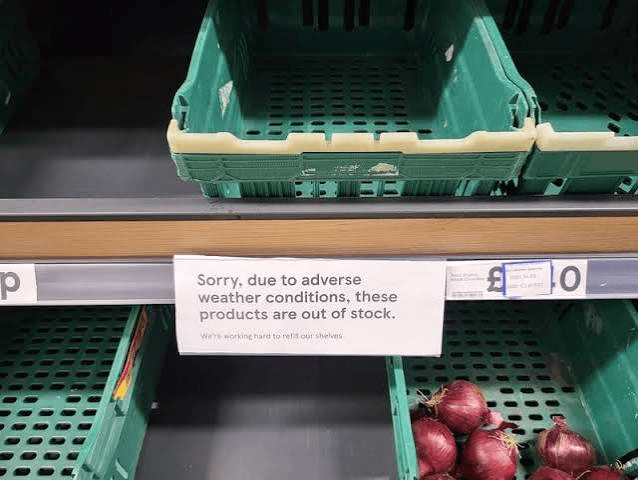
Stop blaming inflation for everything. Sometimes, there’s a shortage nobody saw coming—one you can actually taste.
Right now, both black pepper (the king of spices) and Capsicum peppers (think bell peppers and hot chili) are disappearing from shelves and draining your wallet. You feel it at the supermarket. You notice it at the restaurant. There’s a reason for all of it—and no, it’s not some conspiracy or just “bad luck.” It’s a perfect storm of decisions, climate chaos, and old-school market dynamics.
If you think this only matters to chefs and farmers, think again. Whether you run a food truck, meal-prep service, ghost kitchen, or simply like spicy food, this is your wake-up call. Read on. Adapt now.
Black Pepper (Piper nigrum) Shortage: The Spicy Details
Let’s hit the raw numbers. The International Pepper Community—the big dogs in the spice world—says we’re now short a crushing 43,500 tons of black pepper worldwide. Pair that with unshakable demand, and you get a traffic jam of rising prices and empty bins.
Your classic spice aisle is feeling it. Black pepper prices? Triple what they were just a year ago. That’s not a blip. That’s supply and demand beating each other with sticks.
Why Is Black Pepper Suddenly So Scarce?
Don’t settle for easy answers. Peel back the layers:
1. Farmers Jumped Ship—And Now You Pay
Vietnam, the world’s pepper powerhouse, nearly flooded the market back in 2018. Prices crashed. What did smart farmers do? They quit. They moved on to coffee, cocoa, anything with more stable returns. Black pepper vines don’t just pop back in a season. It takes years. That’s years of missing supply, compounding every month.
Here’s the bold truth: when farmers chase stability, you get volatility. No amount of Big Food lobbying will change that overnight.
2. Climate Beatdowns
If you want to bet your business on rainfall, go ahead. In Vietnam, India, Sri Lanka, and Brazil, weather has gone from “unpredictable” to “downright nasty.” Droughts, surprise floods, stunted harvests. Black pepper vines are fussy—too much sun, they wither; too much rain, they drown. Bad crops mean less spice. Some harvests even lose flavor, so they’re unfit for export.
If you hear “next year will be better,” ask what they’re smoking.
3. Broken Supply Chains and Trade Fights
Shipping is slower. Containers are stuck. COVID was not a one-off. It left behind a legacy of lost logistics and climbing freight costs. Add new tariffs (the U.S. is ready to slap a 46% tax on Vietnamese pepper) and you’re paying a premium for what little makes it to port. Buying black pepper in bulk? Prepare to bleed cash.
4. Eggs in One Basket
Four countries pump out eighty percent of global black pepper. When one or two slip, the whole system jerks. No redundancy. No safety net. Don’t be surprised when one drought on the other side of the world spikes prices at your local store.
How Does This Hit Your Business (and Pantry)?
– You’ll Pay More—Period. This isn’t just a temporary bump. Expect high prices for another few years. New plantings take time to bear fruit, literally.
– Stock-Outs and Cheap Brands Disappear First. Think you can just switch to a “budget” store brand? Good luck. Generic pepper supplies are the first to dry up.
– Plan for Scarcity. If you use black pepper for your business—sauces, snacks, catering—build price increases into your model. Start experimenting with substitutes now.
Think this is dramatic? Good. The upside to a shortage? You get to rethink everything.
Capsicum Peppers (Bell and Hot Peppers): The Other Side of the Crisis
Don’t sleep on bell and chili peppers. They’re not just taco toppings or salad color—they’re the backbone of salsas, frozen meals, sauces, and food service of all kinds. When there’s a shortage, every link in the chain feels it.
What’s Causing This Capsicum Crunch?
The pepper shortage isn’t local—it’s global. Distributors, manufacturers, and restaurant buyers are scrambling. Here’s what you need to know:
1. Disease Is Wiping Out Crops
Fusarium wilt, a vicious fungus, is slashing harvests. Farmers don’t just lose a few crates—they lose whole fields. Many throw in the towel and pivot to safer crops. Less supply, less consistency.
2. Extreme Weather: No Mercy
Maybe you don’t live in Florida, but your food supply does. In a single cold snap, Florida lost up to 80% of its bell pepper crop over nearly 12,000 acres. When frost or drought obliterate yields, peppers spike in price across the country. Apply that logic to India, Central America, or Spain. No region is immune.
Drought research is crystal clear. Even moderate cuts in irrigation can drop yields by up to 25%. If you grow or import Capsicum, you need backup plans.
3. Regional Double Whammy
It’s not just the big farms. The Eastern U.S. lost most of its early pepper crop from one freeze. The West meanwhile has its own “supply emergency” with green and yellow peppers. If you’re sourcing for a small food venture, this kills your ability to negotiate or lock long-term contracts.
4. Farmers Are Hamstrung
Let’s call out the real constraints. Poor storage? Old seeds? No access to cheap loans? That’s the reality for small farmers across the globe. They can’t reinvest or bounce back after a bad year. These are the basics of every supply crisis—ignore them at your own risk.
Cascading Impacts: From Factory to Food Truck
Restaurants and caterers? They’re getting hit with price hikes and scrambling for substitutes.
Manufacturers? They’re forced to reformulate products or delay shipments. Your “secret hot sauce” might taste less fiery (or cost more to make).
Got a packaged food brand? You’ll need to rethink portion sizes, recipes, or even your main selling points.
Hoping this disappears by next quarter? Stop dreaming. Regional recoveries are possible. Full market stability? Not likely soon.
Real Household Pain and Food Security Threats
For pepper-growing regions, this goes way beyond business. Pepper farming puts food on the table and money in pockets. Drought, old infrastructure, lousy roads, and crop disease don’t just cut supply. They hit families where it hurts—food security.
You don’t need a “food tech” app. You need predictable yields and fair prices. The more systems fail, the more people slide into poverty or hunger. Don’t brush this off because it’s “just a spice.”
Outlook: The Next Few Years Won’t Be Easy
Don’t plan on a magic rebound.
Black Pepper Outlook: The Comeback Will Be Slow
The experts are blunt. Black pepper supplies won’t catch up to demand next year—or even the year after. Prices will stay high. Climate unpredictability and tariffs push costs further.
Want to “wait it out?” You’ll miss better options.
Here’s your low-lift, high-impact checklist:
– Rethink your menu or product line. Can you test new flavors?
– Partner with local growers, if possible. Secure your own supply chain.
– Lock in bulk deals now, not after the next price spike.
Capsicum Peppers: Don’t Bet the Farm on Recovery
Disease and freak weather will keep the market choppy. Some regions may bounce back fast, but others will stay battered.
What slows recovery?
– Surprise disease hits.
– Drought returns.
– Farmers lack the capital to plant next season.
– Access to new seed strains or tech remains limited.
If you’re a pepper-heavy business, flex your sourcing and product development. Start looking at variants, preserved peppers, or even branching into a different category.
Want more recession-proof ideas for your foodside hustle? Check out SmallBizBit for game-ready tactics.
Conclusion: Steal the Advantage
Shortages filter out the copycats. If you’re adaptable, you win. The pepper shortage is your “in.” Rethink recipes. Get creative with sourcing. Build direct grower relationships. Launch a spicy new product while competitors complain.
Don’t whine about what you can’t control. Outflank it.
You don’t need nostalgia or the “good old days of cheap pepper.” You need a supply plan and a selling edge. Start small. Move fast. Focus on what drives revenue while others freeze in panic.
Let everyone else play catch-up. You’ll already be onto your next big thing—spicy, yes, and profitable too.
Also Read This:
