

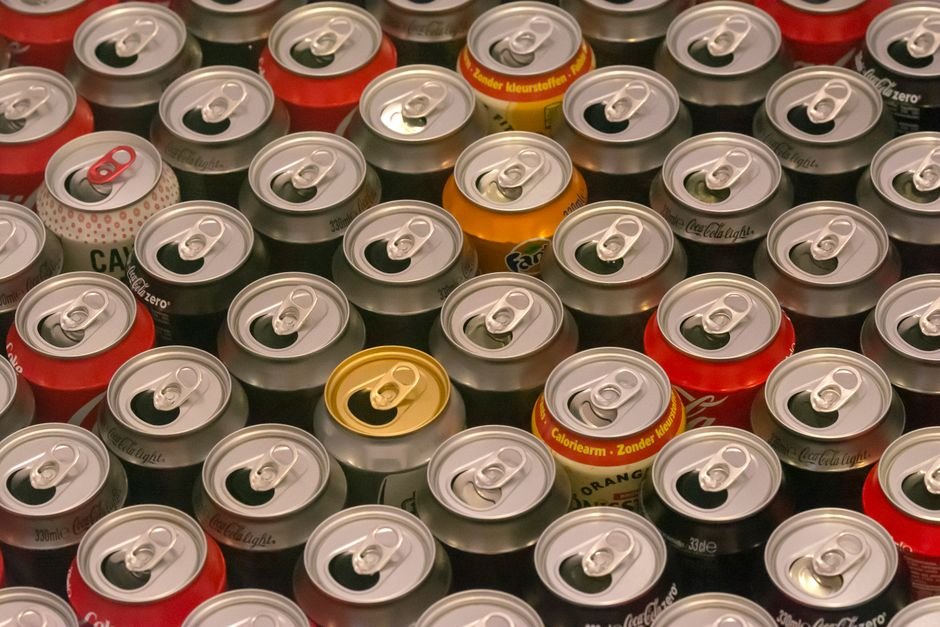
You’ve seen the headlines. Maybe you’ve watched your favorite craft beer vanish from shelves—or struggled to launch your drink brand without enough cans. Here’s what’s really going on with the global aluminum can shortage. It’s not lack of metal. It’s a bottleneck in packaging muscle. Time to break it down and spot your opportunities.
What’s Behind the Aluminum Can Shortage? Get Precise
Forget what you think you know. The “aluminum can shortage” isn’t just about running out of metal. The world has aluminum. What we don’t have is enough can-making horsepower—specifically, can-grade sheet rolling and can-forming lines.
Picture it: Sheets of aluminum roll off the mills. Not enough of that thin, pristine coil for cans. Not enough factories stamping, printing, or sealing them either. In 2026, global supply of can-grade sheet is about 10% short of demand. In India, it’s worse—domestic factories run around 20% below thirst for cans.
Ball Corp—the biggest North American supplier—showed us the pain in stark numbers: U.S. beverage brands came up 10 billion cans short in just one year. That’s not a rounding error. That’s a crisis for growth.
Why Is This Happening? Demand, Capacity, and Energy—Pick Your Battle
Demand Rocketed. Factories Didn’t
The pandemic flipped everything. Restaurants closed doors. Kegs gathered dust. Consumers cracked cold cans at home—at a record pace. Suddenly, off-premise sales shot up. Online alcohol spiked 234%. Hard seltzers, ready-to-drink cocktails, craft sodas—anything in a can—exploded.
Beverage categories relying on cans boomed: RTD cocktails grew 43% in a single year. Hard seltzers added $2.5 billion to U.S. shelves. Fact: Can manufacturers tried to catch up. U.S. production popped 6% to hit 100+ billion cans, and still the shelves ran dry.
Capacity Didn’t Fit. “Good Enough” Wasn’t
You don’t need raw volume. You need the right lines, at the right time. A handful of global firms—Ball, Ardagh, Crown—dominate the market. They’re built for steady growth, not tidal waves.
Sudden spikes? They trip up the system. Beer brands ordered 11% more cans. Factories just shrugged—couldn’t keep up. Ball Corp raised their minimum order from one truckload to five per SKU. Small producers got boxed out.
Rolling mills turning out can-grade sheet? Crammed. No slack. Worldwide, sheet output lags 10% behind exploding demand. You can’t can what you can’t cut and roll.
Raw Material and Energy: The Unseen Killers
Yes, packaging is the bottleneck, but don’t sleep on raw material risk. Energy crises and smelter shutdowns bite hard. In the U.S., primary aluminum output dropped 13% in 2023. North America and Europe lost about 900,000 tons of smelter capacity because of sky-high power costs.
In China, where a huge slice of global aluminum is made, strict energy rationing and new carbon rules pinched production. With fewer smelters running, can-makers face higher prices and less flexibility.
Geopolitics and Regulation: One Paper, Whole Industry Waits
Wars and slow-moving certifications matter. Russia-Ukraine tensions threw energy costs and freight into chaos. In India, Bureau of Indian Standards (BIS) updated its certification rules. End result? Companies waited months to get approved. Beer firms scrambled—forced to import cans at a premium, facing shortfalls above 120 million cans. That’s nearly 20% of all beer cans needed.
Even global giants—think Diet Coke—weren’t spared. No approved cans in India? You’re off the shelf. Done.
Country by Country: U.S. and India
U.S: Small Brands Squeezed, Big Bets on Expansion
Stateside, it’s the “cars and cans” duel. Auto and beverage sectors both chasing that sweet aluminum. U.S. breweries? They shifted hard—60% of craft beer’s packaged volume is now in cans.
Domestic aluminum production fell. New can plants are coming, but building one takes years. In the meantime, small craft brewers bear the brunt. Ball Corp cut their client list, asking “minimums only.” Small players can’t swallow higher inventory or hundreds of thousands of dollars per order. Some paused production or repackaged in bottles. Many just lost shelf space to global behemoths.
India: Not Enough Factories, Not Enough Cans
India’s beer and soft drink market is even more brutal. Local can factories lag demand by 20%. That’s hundreds of millions of lost drinks each summer.
The government move to tighten standards (via BIS) slowed things further—delay in new certifications meant local beverage producers had to import cans from Sri Lanka, West Asia, sometimes even Europe. Imports are pricey, slow, and unreliable at scale. Result? Beer tax revenues took a hit—to the tune of $135–146 million. Diet Coke literally disappeared from coolers because it only comes in import-restricted cans.
Industry insiders say it straight: This isn’t about running out of metal. Nearly 70% of Indian cans come from recycled aluminum. The gap is in sheet and can-plant throughput—nothing else.
Big Costs and Small Losers: What the Shortage Means for You
You want numbers? In the U.S., the cost per can shot up from 10 cents to 15 cents in a rush. That’s a 50% increase overnight. Beverage brands hunting for supply paid decade-high aluminum prices as demand collided with energy-driven supply cuts.
Small producers—your local brewery, your wellness soda startup—took the hardest hits. Ball Corp’s new minimums priced them out. Lack of storage, capital, and forecast muscle only added to the pain. Many shifted to glass bottles. Some just ran dry.
India’s beer industry, meanwhile, waved red flags about losing billions in excise and tax revenue. Shelves went empty, sales dipped, and small brands lost hard-fought market share.
Big beverage firms scrambled too. They sourced cans worldwide, cutting new deals across continents. Every ocean crossing added costs, risk, and the threat of late shipments. Logistics got complex, fast.
How Long? Prepare for Years—Not Months
Bad news first: Fixing can-shortage pain isn’t a three-month quest. Back during the worst of the pandemic, craft beer insiders knew they’d be hurting through 2021—at least. Today, nobody expects “normal” before 2027 in major markets.
Factories take time. Rolling mills (for sheet) are multi-year investments. Even with new plants in the pipeline, labor shortages, energy price swings, and war can stall progress.
Add in the wildcard—what if demand drops? What if everyone pivots to glass, PET, or kegs? Every shift makes forecasting risky. For entrepreneurs, this means: Stay nimble. Assume tight supply for at least two or three more years.
Industry Fights Back: Smart Moves You Can Steal
Serious players aren’t waiting around. They’re expanding capacity—but they’re also hacking the system.
– New plants: Ball, American Canning, and Ardagh are building. But don’t expect silver bullets. Eighteen to thirty-six months is the norm for new lines.
– Global sourcing: Need cans? Don’t expect your usual supplier to bail you out. Big players buy from everywhere: Sri Lanka, West Asia, even Europe. You can too, but expect delays and import headaches.
– Packaging pivots: Move fast—consider glass or PET for parts of your line. Many small breweries are hiring “mobile canners” or co-packers. It’s lower commitment, less storage, quicker learning.
– Recycling: Don’t ignore the old cans. Sixty to 70% of new cans in India are already recycled content. Boost your own collection schemes. Recapture the value you toss. Energy savings here aren’t just green—they can stabilize supply in crunch times.
– Smarter ordering and forecasting: Ball Corp’s minimums may seem brutal. But you can beat the giants on agility. Run lean. Focus on best sellers. Kill off weak SKUs to ensure your top lines always have packaging.
– Seasonal planning: Channel your energy where it matters. Track your hot seasons. Overorder when it counts, and don’t get caught chasing after cans when everyone else is. Want more strategies for building a resourceful business? Check out SmallBizBit for tactical tips on thriving under constraint.
Questions to Ask If You’re Studying (or Solving) the Can Crisis
Smart founders and researchers think upstream and downstream. Here’s your quick hit list:
– What’s truly driving demand for cans—category shifts or pandemic anomalies?
– Where does can-sheet rolling break down? Can you partner with local recyclers to reclaim input?
– Are there ways to leapfrog regulatory or certification hurdles before they hit?
– Who in your supply chain holds the bargaining power? How can a small player punch above their weight?
– What’s the real tradeoff between “classic” cans and alt packaging, from a margin and logistics perspective?
– How do higher recycling rates cushion your business from rolling shutdowns or import jams?
Great businesses thrive in crisis. You don’t need unlimited cans. You need creative grit, speed, and direct action.
Conclusion: Shortage or Opportunity? You Decide
You can watch the headlines or take control. The aluminum can shortage is real—primarily a packaging capacity crunch, not an impending end-of-metal story. It’s a test and an opportunity.
Demand outpaced can factories, legacy supply chains got slow, and energy price roller coasters threw a wrench into planning. In India, in the U.S., everywhere—small producers feel it first, but big companies don’t have it easy either.
So don’t wait for “normal.” Rethink your sourcing. Streamline your lines. Get scrappy with packaging and recycling. Build redundancies and spot market opportunities where others see roadblocks.
You don’t need the perfect conditions. You need a plan, a backup, and forward motion.
Resourcefulness beats shortages. Start small. Outlearn, outwork, and outlast the chaos—one can (or bottle, or keg) at a time.
Also Read This:
