

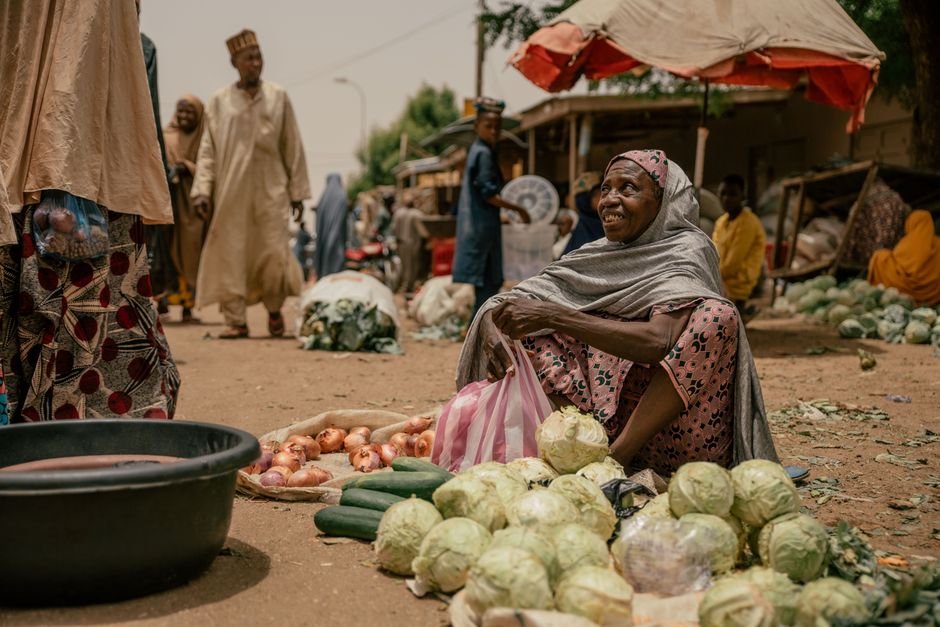
Forget global headlines. There’s no such thing as a worldwide cabbage shortage. If your supermarket bin is empty, that’s a local problem — and yes, it stings. But while chefs and shoppers scramble across parts of Europe, Japan, and the U.S., farmers in China and the Philippines have the opposite headache: Too much cabbage, rock-bottom prices, and wasted crops. Here’s what’s actually going on — and what you, as someone who builds, hustles, or leads, should learn from the mess.
What Does “Cabbage Shortage” Really Mean?
Start here: A cabbage shortage happens when what’s grown and stored in a region can’t keep up with what people want to buy, today. Not last year, not “typically.” Today. The direct hit? Empty shelves, customers grumbling, and prices soaring overnight.
Don’t confuse this for a doomsday scenario. Globally, cabbage is still rolling out of fields. Shortages hit one region, not all, and usually don’t stick around for long. Why? Cabbage grows almost everywhere, all year.
Now, the flip side. In other places, farmers ditch crops at the roadside — too much cabbage, too few buyers. Prices? They fall so low, nobody wants the effort of picking or hauling.
See the pattern? While you pay double in one country, cabbage is rotting unsold in another. That’s not a broken system. That’s a sign to get smart — and nimble.
Where Are Cabbage Shortages Hitting Hard Right Now?
Let’s stop theorizing. Here’s what’s playing out, region by region.
Poland and Europe: Weather Wrecks Havoc
Poland, the big cabbage grower for much of Europe, rolled snake eyes in 2024. Drought bit early. Storms battered tender crops. Some say it’s the worst cabbage haul in a decade. That means less to sell at home and almost nothing to ship to hungry neighbors.
Old supply lines snapped. Poland looked to Germany, but German farmers had their own lousy yields and wouldn’t give up surplus for export. Result? Sky-high local prices. Cabbage dumplings in Warsaw? Suddenly pricier. Households, caterers, and shops all felt the pinch. No creative sourcing could beat the clock.
When’s the fix? Most say you’ll see shelves back to normal by late 2025, assuming nothing weird happens with the weather.
UK: Floods Drown the Market
Don’t think the UK dodged the bullet. Heavy June rains in Lincolnshire — one of Britain’s key greens-producing regions — flooded fields and cut cabbage yields. A couple of soggy weeks, and suddenly shops ran short. Growers called it “crisis conditions.”
What’s driving this chaos? Variability. One year, a field booms. The next, a rainstorm or heatwave wipes it out. You want predictability? Agriculture is the wrong place to look. Adapt or get stuck complaining.
Japan: Dwindling Crops, Soaring Prices
Look to Japan if you want a lesson in how supply can dry up, fast. A scorching summer in Aichi and Chiba, then winter warmth and poor sunlight, all cut yields. Add in an aging farm workforce — fewer hands on deck — plus soaring fertilizer and transport costs.
Shoppers saw prices triple in December 2024 compared to last year. Cabbage became a luxury. At least one region saw thefts right out of fields. Can you blame them? When cheap produce turns expensive, everyone feels the squeeze.
United States: The Supply Ping-Pong
America’s used to having options. But don’t get lax. Midwest and West Coast farmers are used to weather curveballs — too hot, too dry, too wet, too late. One season, shipments flow. Next, things grind to a halt.
Truckers can’t cover delayed Michigan or Ohio crops if hurricanes stymie the Carolinas. Expect “crazy” seasons with wild price swings and patchy availability. National averages mask local chaos.
Some Places Have Too Much Cabbage. Seriously.
Guess what? While you’re chasing the last head of cabbage, farmers from China to the Philippine highlands can’t give the stuff away. Markets flooded, prices sliced to the bone. Here’s how that shock plays out.
China: The Price Plunge Nobody Wanted
Late 2023, Chinese farmers found themselves with mountains of winter cabbage — and customers nowhere to be found. Why? Simple. After COVID rules relaxed, every smallholder bet on demand booming. They planted more. This was their shot.
But more people returned to farming. Autumn lasted longer, so the growing season stretched. Heavy rains synchronized harvests, dumping tons of cabbage onto the market at once. Prices dropped so low, farmers’ work went unpaid.
Philippines (Benguet): Glut to the Extreme
Benguet’s farmers watched last year’s cabbage price spike and did the obvious: Plant lots more. Then, come December, fields matured all at once, unleashing a tsunami of cabbage. Prices crashed — at times, P4 a kilo, way below even the cost of picking.
Farmers gave away crops just to empty the fields. Painful — but predictable if you overreact to yesterday’s market. This isn’t just about luck. It’s about how quickly you adjust.
South Korea: Managing the Balance
South Korea’s a smart case. Their harvest dipped, yes — but thanks to good storage and smart monitoring, there was no shortage. Officials matched supply to lower, more health-conscious demand. That meant no panic buying, no price spikes.
It’s a lesson in staying ahead of the curve. Don’t just grow. Track demand, stock reserves, and communicate early.
The Real Reasons Cabbage Supply Explodes or Disappears
Let’s get tactical. Supply swings don’t come from nowhere. Three forces drive these booms and busts:
Weather Is the Big Boss
You can’t beat the weather, but you can plan for it. Droughts shrink yields and toughen stalks. Floods swamp fields and rot crops before they reach your plate. A single hot month, or an unexpected cold snap, throws the whole year off. Cabbage can fight some extremes, but it’s not invincible.
Costs and Labor Bite into Margins
Don’t ignore costs. When fertilizer, gas, or boxes cost more, every head of cabbage needs to earn its keep. An aging workforce means fewer workhands, not just in Japan. Some U.S. growers skip planting or cut sowing areas just to dodge risk.
Start asking: If profits stay razor-thin, who’ll bother planting next year? Maybe not you.
Post-Harvest Pain Points
Here’s what nobody glamorizes: Loss after harvest. In Indonesia, the FAO tracks losses from bad storage, careless shipping, and busted infrastructure. In South Africa, mold, heat, and bruised boxloads destroy usable cabbage.
You don’t need another acre. You need a cold warehouse and smooth delivery runs. Every crate lost in transport makes scarcity worse.
Why Shortages and Gluts Happen at the Same Time
This is your business lesson — and your unfair advantage. Cabbage is heavy and cheap per kilo, so shipping it halfway across the globe doesn’t make sense for small price gains. Local problems stay local. A glut in the Philippines does not rescue Poland’s shortage.
Farmers act on last year’s signals. When prices soar, everyone plants more. Next cycle, the market is flooded. When prices collapse, they plant less; then, a single weather hit causes a genuine shortage. Learn from this. Act fast. Don’t just copy your neighbor.
Stop Complaining — Start Acting: Mitigation Tactics
Smart operators don’t sulk. They adapt. Here’s how:
– Beef up post-harvest infrastructure. Cold storage and smooth transport save crops and steady prices.
– Lock in risk management. Crop insurance shields farmers from freak weather or wild price swings.
– Share market info. If everyone knows what’s happening in the next province, bumper surpluses become rare.
– Governments can help. Buy surplus when prices collapse. Move cabbages from overloaded zones to areas running dry. Support quick crop switching or buy alternative greens.
Want to see these tactics in the business world? You don’t need perfect timing or flawless branding. You need systems to smooth out risk and move faster than the market.
For more make-it-happen advice, check out this strategic guide — don’t wait for conditions to be ideal before you act.
What It Means for You — and How You Profit from Disruption
Ready for the executive summary? There’s no endless global cabbage crisis. Just local shocks and gaps — driven by weather, input costs, labor, and supply-chain breakdowns.
When you hear “shortage,” think: Prices go up. Quality may dip. But this is a cycle, not a death sentence. Most shortages reset within a season — sometimes faster if smart hands step in.
Here’s the mindshift: Don’t blame “the market.” Spot the gaps before others. Invest in infrastructure. Share real intel, not rumors. If you’re in food, logistics, or even supply chain-adjacent business, use these pain points as signals.
You don’t need to bet the farm. You need three key moves: Watch trends. Protect your downside. Move early, then expand.
Cabbage trouble? Good. That’s your signal to get scrappy, outthink big players, and solve for profit — while others wait for normal to return.
Start. Pivot. Repeat. That’s how you build resiliency and make opportunity out of shortage, every time.
Also Read This:
