

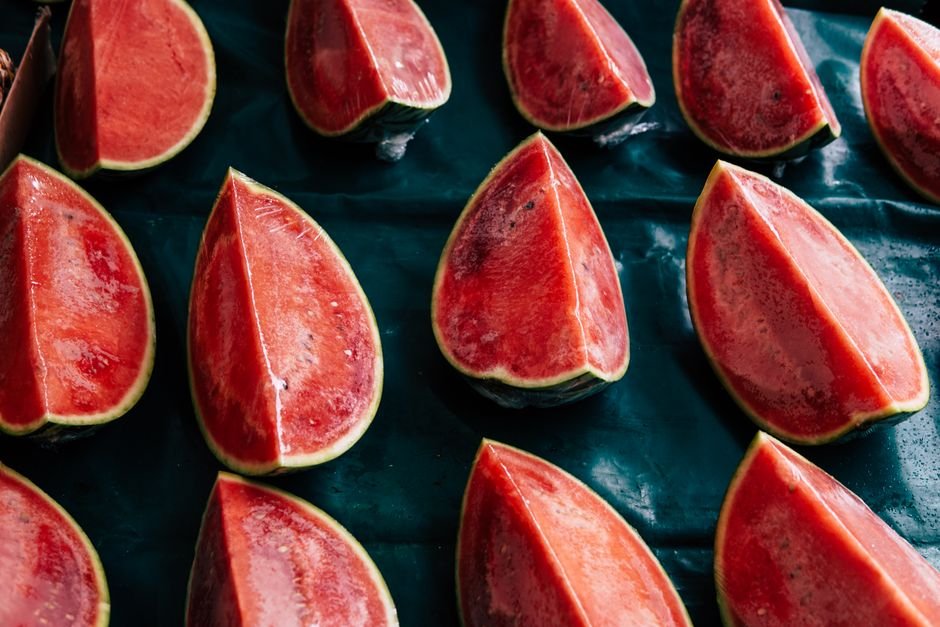
Picture this. You walk into your favorite store on a scorching July day, craving a giant slice of watermelon. The bins are empty. Prices are up. You wonder—are we running out of watermelons? Are farmers slacking? Is climate change to blame? Or is this just one more blip in the endless cycle of produce panic?
Let’s get real. There’s no global watermelon shortage. But there are real, high-impact problems—tight spots, local crises, labor headaches, and, yes, climate punches to the gut. Some markets are flush. Others are scrambling. If you want to understand how this works (and how you can adapt as an entrepreneur or new business owner), keep reading. Cut through the noise.
Where Are Watermelons Short—and Why?
Spain and Europe: The Supply Crunch Hits Home
Spanish growers have been sounding the alarm. Watermelon supply? Lower than what stores want. Blame a nasty combo: wild weather patterns and less predictable seasons. Climate change has brought more swings—rains when farmers need sun, cold spells delaying the crop. Demand doesn’t wait for the weather to recover. When summer finally turns hot, shoppers descend. Short shelves. Up go the prices.
This is not a lazy grower problem. It’s unpredictability, pure and simple. When weather clears up, people pounce, and suddenly, what looked like enough melons turns out to be not nearly enough.
Morocco and North Africa: Scarcity by Design
Now move to Morocco. The “watermelon shortage” in this region is severe and intentional. Why? Water scarcity. The government made a hard call—to save critical water reserves, they told farmers to grow less watermelon. Planting was slashed from around 5,000 hectares to just 2,000. In water-desperate spots like Tata, it was banned outright.
Compounded problem: nasty aphid infestations ruined what remained, leaving fruits deformed and unsellable. As the season pushed north, everyone—from export operators to small growers—felt the pinch. Consistent supply? Forget it. The pipeline ran thin and raw.
United States: A Game of Timing and Geography
Watermelon in America is a demand game, especially as the Fourth of July looms. This year? Supplies were lighter, patchier. Warm springs meant crazy uneven fruit set. Some regions, the desert growers, got hit early—weak yields, low quality, and no emergency stash.
But…not all doom. California, Texas, and the Southeast pulled through, with steady crops and market presence. In the Midwest and East, there was slightly less fruit, enough to make retailers sweat. Go west, and suddenly, you’re up to your ears in melons, plantings up, prices down. See the pattern? Shortages are local and brief, not permanent or universal.
The Real Drivers: Why Watermelon Gets Scarce
You want to fix problems? Start by naming them.
Water Scarcity: The Number One Bottleneck
Watermelon is a thirsty crop. No apologies. When water dries up—like in Morocco or Ethiopia—growers must choose. Feed people, keep orchards alive, or produce a mountaintop of melons for export? Most pick survival. Production drops hard and fast. It’s not a trickle-down. It’s a floodgate slammed shut.
In Ethiopia’s Arba Minch? Only one commercial variety survives. Too little rainfall. No technical workarounds. The result: limited harvest, rising prices, lost business.
Climate Swings and Weather Extremes
You can’t plan for crazy. Spanish producers say it out loud—yields have become erratic, courtesy of the climate’s wild side. Rains flood one week, heat scorches the next. Demand is flat—people still want melons at the first hint of sun. When the stars align (bad yields, sharp demand), you find gaps and price spikes.
Pests and Disease: The Unseen Attack
Don’t blame water alone. Moroccan fields saw aphid outbreaks that shredded good fruit. What survived was often unfit for sale. Pests don’t ask for your permission or a perfect forecast. They strike when plants are weakest, making existing shortages that much worse.
Logistics, Labor, and Wasted Harvests
Let’s talk logistics. During COVID, post-harvest losses nearly doubled. Crops rotted in the fields or warehouses. No hands, no trucks, no sales. Labor shortage isn’t a talking point—it’s brutal reality. Fewer Mexican workers in the U.S., fewer pickers in Morocco, less fruit moves to shelves. Even if fields are full, you see “empty” at the store.
Industry insiders share a hard truth: too much supply chain concentration means no buffer. If three big growers have a bad week, the whole country feels it.
Research Answers: Can We Beat Water Scarcity?
Ready for solutions? Good. It’s not all doom and gloom.
Deficit Irrigation and Mulching: Use Less, Grow More
Enter deficit irrigation. Sounds fancy, but it just means giving plants less water at certain times—but not so little they can’t grow. Studies in China’s dry oases found that you save water this way and still keep yields up. Drip systems plus mulch = higher efficiency.
Ethiopian research goes further. Combine straw mulch and cut irrigation by half, especially with tough varieties like Green Pearl. Yields hold steady. You slash water use.
Pick the Right Variety and Rootstock
This isn’t about brand loyalty—it’s about survival. Grafted watermelon in Chile, grown on bottle gourd rootstock, needed only half the water. Yields stayed high. You don’t need to reinvent the wheel. You need smart choices and ruthless focus on output per drop.
Wild watermelon species? They develop roots deep, pull water from way down. Research teams in Brazil found even when plants face two water deficit spells, they bounce back. The right genetics matter. Sometimes, less pampered plants outcompete the “best” on paper.
Start small. Test which combinations give you profit, not just pretty fruit.
Market Dynamics: Perception vs. Reality
“Seedless Shortage?” Check Your Facts
Ever hear a customer complain they can’t find “good, old-fashioned seeded watermelon”? You don’t have a shortage. You have a preference shift. Over 90% of U.S. production is seedless. That’s what most people want. If you crave seeds, ask your produce manager—often, they can order it in. This is demand-driven. Not a crisis. Set expectations, communicate clearly.
Spikes in Demand: Blame the Holidays—Not the Farm
Demand jumps fast. Think July 4th barbeques. When a bad harvest or logistics snag hits then, you get short-term shortages and sticker shock—even if, over the whole season, the crop’s fine. Understand these cycles. Use them to your advantage. Plan launches or store events around predictable peaks and communicate early to customers.
You don’t need permanent “always enough” supply. You need planning, communication, and backup options.
Why Watermelon Shortage Matters to the Consumer (and You)
Watermelon isn’t just another fruit. It’s part of the summer ritual. It hydrates. It’s low-calorie, filling, even helps reduce body weight if you swap it in for chips and sugar bombs. In some places, this is breakfast, dessert, and a hydration solution rolled into one.
When shelves are empty, people notice. It’s not just lost sales—it’s a cultural miss. For people building businesses, missing this timing or offering the wrong product can crush momentum.
Synthesis: There Is No “Global Watermelon Shortage.” Act on What Matters
Here’s the zero-fluff version. Watermelon shortages are regional, not global. Some places—like Morocco—face real, policy-driven cuts, water restrictions, and pest pandemics. Others have erratic seasons or post-harvest headaches. Stateside? Shortages pop up around holidays or in unlucky spots, disappear the next week as harvest shifts.
The root causes are clear:
– Water scarcity and drought top the list.
– Climate chaos makes production unpredictable.
– Pests and poor logistics kick growers when they’re down.
– Labor shortages compound every challenge.
– Post-harvest waste quietly erases a chunk of supply, unseen.
What does this mean for you—entrepreneur, startup hustler, side-business builder? Don’t chase accidents. Study the pressure points. Where there’s pain, there’s opportunity. Can you offer better logistics? Efficient new supply channels for “ugly” but perfectly edible melons? Grow short-cycle, water-saving varieties for targeted windows? Build in flexibility?
You don’t need to solve “the global shortage.” You need to plug leaks in the places that matter most to your audience right now. Focus on cash-flow moves, not grand gestures.
Take one step further. If you’re ever looking for up-to-date inspiration and actionable funding insights, check out SmallBizBit. No rambling. Just sharp tactics to help you find traction and fund what matters next.
What’s Next? Focus, Don’t Fret
Here’s how you flip the shortage narrative for yourself:
– Pick a region—say, Morocco or Spain. Map out how water, policy, and pests cut into crop and price.
– Get inside the logistics. Where are harvests getting lost? Can you bridge that gap? Sometimes, it’s just distribution—field to store.
– Stay smaller. Skip “deluxe” features. Target core needs—supply when stores are desperate, communicate when others are silent.
And if you’re chasing intervention? Back water-saving policies. Upskill labor. Push for post-harvest investment. But start where you are. Start small. Get paid to solve real pain now.
You don’t need perfect timing to win. You need to be quick, informed, and ready to switch gears—just like every great watermelon grower facing the heat.
Ready to act? Don’t wait for someone to “fix” the shortage. Set yourself up to profit from what’s right in front of you. That’s the real sweet spot.
Also Read This:
