

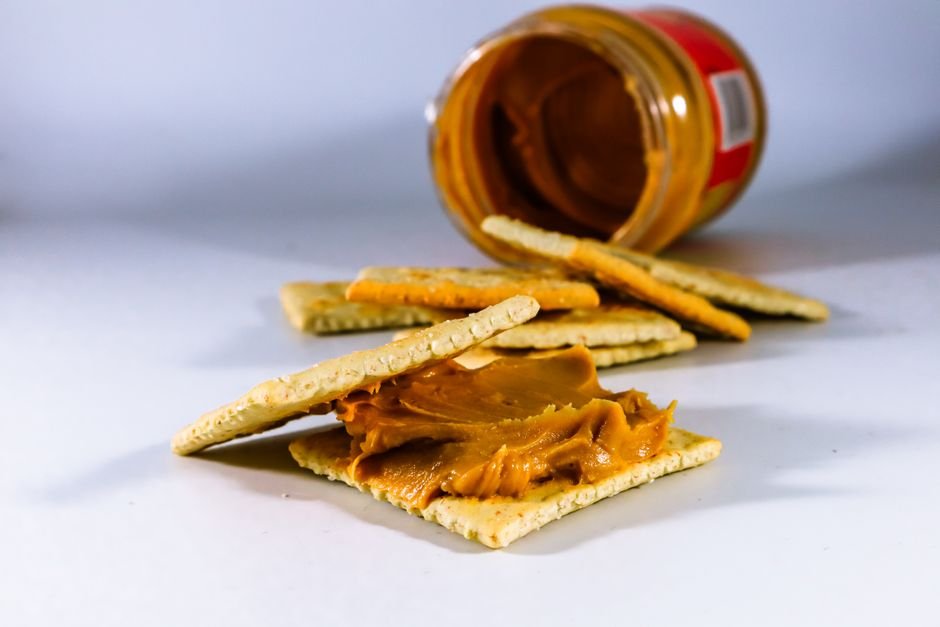
You think you’re immune to shortages? Think again. Walk into the grocery store and those empty peanut butter shelves tell you the truth. Bad harvest? Recall? Something spooks the system, and suddenly prices pop or favorite brands vanish. You want answers—real ones that help you prepare, not just survive the next wave of “unexpected” shortages.
Here’s your playbook. Focus on simple actions, ignore the noise, and keep your eye on what moves the market. Good. Let’s get started.
The Peanut Butter Problem: Everyday Staple, Occasional Scarcity
Peanut butter isn’t just a comfort food. It’s an all-star: high-protein, low-cost, and shelf-stable. For households and small businesses, it’s the safety net—sandwiches for hustlers, snacks for kids, last-minute meal for late-nighters.
But here’s the kicker: even this kitchen basic is vulnerable. Crop failures, recalls, and a sudden stampede of shoppers turn abundance into a scramble. Don’t blame bad luck. Spot the patterns. Predict the disruption. Profit—yes, profit—from knowing what throws the market off-balance.
Weather and Crop Failures: The Real Shortage Engine
Don’t overthink it. Drought hits, and peanuts get scarce. This isn’t theory. In 2011, Georgia and Texas—peanut heartlands—went bone-dry. Farmers watched yields collapse. Overnight, wholesale peanut prices tripled. Did big brands eat the loss? Nope. Retailers hiked prices 20–30%, and those price tags didn’t come down for years.
And it’s global. When Argentina—Europe’s peanut supplier—faced the 2022/23 megadrought, their crop shrank by over one-third. Ending stocks hit zero. An entire continent felt the crunch.
Big lesson: No rain? No peanuts. That’s when prices spike, and store brands disappear. Predict droughts, and you’ve got the earliest signal in the market. Weather apps beat most analysts.
Chasing Profits: Farmers Don’t Care What You Crave
Farmers are entrepreneurs too. Cotton price booms? They ditch peanuts and plant cotton. Land rents in Argentina climb? Fewer acres go to peanuts, which means you pay more for every jar.
Stop thinking supply is just about weather. Every farmer runs the same calculation: “What crop pays me best?” If it’s not peanuts, expect supply to fall short. If you’re betting your snack business on steady peanut butter, hedge your bets—don’t anchor to a single crop or supplier.
Recalls and Shutdowns: One Manufacturer, Empty Shelves
Think a supply chain is bulletproof? Then a major recall wipes the shelf clean.
Remember the 2022 Jif fiasco? Over 50 varieties pulled overnight. Jif wasn’t just another brand—it owned big shelf space. With Jif gone, competitors couldn’t catch up. Same aisle, empty racks.
Organic fan? When Sunland’s plant closed after a salmonella scare, 90% of U.S. organic peanuts were stuck. Organic peanut butter lovers went hunting. Found nothing. Lesson? Mainstream or niche, safety scares can erase half the market for weeks—even months.
You don’t need dozens of suppliers. You need contingency and communications. The brand you sell is a risk. Spot weak links. Have a substitute. Set up alerts for food safety headlines—fast movers act first.
The Demand Spike: Economic Stress Is Opportunity for Hustlers
Recession scares people. Disposable income drops and folks choose low-cost, filling food. Peanut butter becomes the underdog winner.
When wallets tighten, PB sales jump. Doesn’t matter if the supermarket is flush with options—suddenly, everyone wants “cheap, good, lasts forever.” Combine that with a weak crop or recall, and you’ve got a perfect storm.
Pay attention: Economic cycle plus weather equals spike. Don’t get caught by surprise. Position your side hustle or shop for price flexibility. Don’t promise every variety—set order limits and keep your restock options open.
History Doesn’t Lie: Droughts and Recalls, Year After Year
Track the timeline. Every notable shortage has its own flavor, but the signs repeat.
2011: U.S. Drought Meltdown
– Runner peanut crop: wiped out. Prices for raw peanuts nearly tripled.
– Shelves stocked with $5 peanut butter jars—up 20% overnight. Sticker shock, and the new normal.
2022: The Jif Recall
– One salmonella scare. Fifty product SKUs gone. Shoppers in Pennsylvania and beyond scrambled for substitutes.
– Looks like a product-specific panic? It’s wider than you think—removing a giant sucks up supply from every competitor. You see it across the food sector, from baby formula to nut butter.
Organic Shortages: The Sunland Shutdown
– Sunland controls most of the U.S. organic market, then gets shuttered.
– Crunchy and creamy vanish from shelves. Smaller upstarts can’t fill the gap.
– End result? Niche market, big pain. But the chaos is temporary—the fast-acting players pull in inventory from lesser-known processors.
Business lesson: If you build your brand on a single critical link, you’re setting up for trouble. Diversify your risk, even if it means testing less sexy alternatives.
What About Now? Here’s the Straight Truth
You’re not headed for doomsday—unless a drought blindsides growers or another recall hits. Pay attention to these numbers:
– U.S. peanut supply for the 2024–25 year? Steady at 3.67 million metric tons. No shortage foreseen unless storms or heatwaves break the trend.
– Crop quality? High. Nearly all peanuts are edible, which means processors have options.
– Peanut butter demand? Down about 6%. That shift takes pressure off inventory, stabilizing prices.
But don’t sit back. Local and brand-based sellouts happen fast. One storm or minor plant failure in the Southeast, and specialty brands go missing in key markets. Have a plan and keep your eye on commodity news.
Argentina? They’re recovering from last year’s nightmare drought. Output is bouncing back, but ending stocks are still tight. The margin for error remains thin. Any hiccup, and European buyers scramble, dragging up global prices.
Here’s your new rule: “Major, nationwide shortages? Rare for now. But local or niche outages? Always possible. Think regionally, act early.”
Want more? Get smarter about risk management—and start building systems that spot shifts before your competition does.
Patterns Matter: Read the Signals, Move Faster
Stop waiting for headlines. Instead, set up a checklist. It’s low-lift, high-impact. Here’s what smart operators track:
– Drought forecasts in Georgia, Texas, or Argentina? Prepare for higher prices and tighter supply.
– Cotton prices on the rise? Expect fewer peanuts—stock up or pivot your brand.
– Recalls hit the wire? Communicate with your audience, swap in alternates, ride the scarcity wave for smart offers.
Remember: Shortages slow down but don’t kill the market. They last a season, maybe two. Price spikes? That’s your chance to boost margin or win loyalty with clear communication and quick substitution.
You don’t need a warehouse full of peanut butter. You need five backup suppliers and a plan to shift—or refill faster than the chain grocers.
Do This Next: Turn Shortages Into Opportunity
Don’t panic. Build flexibility into your side gig or store. When shortages pop, consumers will pay for reliability, not just price.
– Partner with emerging processors before they hit the mainstream. Borrow audience from “out of stock” brands. Run flash sales on less-known types (maybe almond or sunflower butter).
– Set purchase limits on your site—drive urgency. Transparently explain the shortage. People trust the honest story, and they’re more likely to stick with you.
– Focus on the segments that weather disruption best: big sizes, bestsellers, new flavors. Don’t promise every variant—double down on what drives revenue.
Are peanut butter shortages coming back? Eventually. Weather, commodity cycles, demand spikes—all repeat. Stop fearing what’s coming. Instead, act first. Prepare, communicate, and keep your margin.
You don’t need to guess. You need a short list of proven tactics—and the guts to act before others react. That’s the game.
Key Takeaways: Outsmart the Next Shortage
– Weather is king—especially drought. It drives peanut supply and prices across the market.
– Brand or plant recalls? Fast scarcity, but mostly in targeted segments. Set alerts, shift stock, own the narrative.
– Economic downturns? Peanut butter demand surges. Stay nimble. Focus on what drives repeat buys.
– Don’t get distracted by panic. Local outages might look like nationwide shortages, but they’re rarely systemic. Pivot, inform, win trust.
The market loves to surprise slow movers. And remember:
Start small. Track what matters. Borrow audience from brands stuck in recall. Communicate clearly. Double down when others freeze.
You don’t need perfect conditions. You need action while everyone else waits. That’s how hustlers win—even when the shelves go empty.
Also Read This:
