

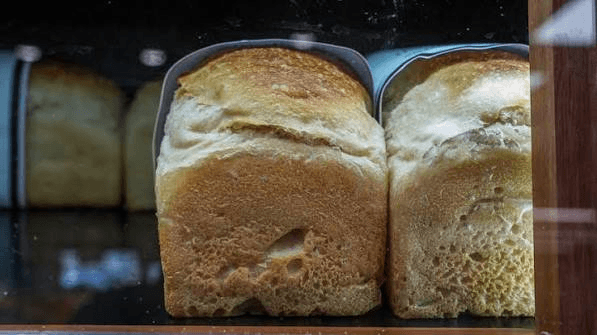
Bread. It’s more than food. It’s a global comfort, a business staple, and let’s be honest—it’s the margin on your breakfast sandwich or your “can’t fail” product at the market. So what happens when bread disappears, prices surge, or lines go around the block? Ignore it at your peril. You don’t need complex theories. You need the real drivers, and a plan to use—or survive—the next shortage.
Climate Change: Wheat Yields Under Pressure
Let’s start with the basic ingredient—wheat. The stuff that turns into flour, that turns into cash flow for millions. Here’s the bad news: climate shocks are hammering “breadbasket” countries. Think droughts, heatwaves, and floods—sometimes all at once.
Not long ago, the odds of a 15% drop in global grain output were one in a hundred per year. Within a decade? It’s nearly doubled, and there’s a 70% chance it happens at least once by 2030. That’s not a hypothetical. It’s a warning.
Why care? Because when major harvests fail—Australia, the U.S., or Ukraine—your suppliers fight for scraps. Prices jump. Customers hunt for substitutes or just quit buying. Your job: expect volatility, not business as usual. Hedge your bets. Don’t tie your margins to “normal” supply.
A Deficit You Can Taste: The UK Wheat Shortage
Need proof that abstract risk becomes breadline reality? See the UK. Extreme weather since 2020 caused a deficit of over seven million tonnes of wheat. Do the math—4 billion loaves, or a full year’s bread for every UK resident. The shelves didn’t go dark, thanks to imports. But that’s a band-aid, not a cure.
Local production gaps can be huge—even in wealthy countries. If you depend on one region, start diversifying, now. Relying on imports? Great, until everyone else does the same.
Quality Matters: When Bread Isn’t Bread
Don’t just watch the numbers. Climate change isn’t only about less wheat—it’s about worse wheat. With rising CO₂, wheat’s nitrogen drops, so does its gluten. Bakers in Germany found dough rising 20% less, turning into sponge cakes instead of airy loaves by 2050.
You don’t just sell “bread.” You sell what people expect. If your product looks, tastes, or feels wrong, your brand takes the hit. Get ready to tweak recipes, communicate openly, and experiment. Don’t ignore quality; it shapes your rep—and your repeat business.
Grain Stocks: Shortages, Not Extinction
Here’s a myth: the world will “run out” of bread. Let’s crush that. Grain stocks worldwide sit near 30% of use. Even a bad harvest won’t empty every silo. But here’s what actually happens—a climate shock cuts stocks to 20%. Price doubles. Buyers panic. Countries start hoarding or banning exports. Social unrest follows.
If you’re in business, this means you’ll face wild price swings, not total collapse. Prepare for cash flow hits. Build flexibility into contracts. Keep a reserves plan—physical or financial. Plan for spikes; ignore smooth forecasts.
Conflict Zones: When Breadlines Become Survival
You want full collapse? Study Gaza. The war destroyed bakeries, cut fuel, blocked flour deliveries. For families, “finding bread” is no longer a chore—it’s a desperate, daily gambit. The system didn’t bend. It broke.
Think it can’t happen elsewhere? Think again. Supply chains unravel fast under pressure. Don’t fool yourself with “it’s never happened here.” Scenario-plan for outages, not just delays. Have a backup supplier on each level—ingredients, packaging, distribution.
Russia–Ukraine: A Single War, Global Bread Crisis
Why did bread in the U.S. and Zimbabwe skyrocket in 2022? Russia and Ukraine owned 30% of global wheat trade. One war later, prices shot up the most in 14 years. In the U.S., bread hit record highs. In Zimbabwe, people dropped bread for cheaper, less nutritious food.
Even outside war zones, you feel the pain through price—and your customers’ wallets. Inflation kills demand—not production. Don’t stake your business on “affordable” basics staying affordable. You don’t need a perfect forecast. You need contingency cash and flexibility.
Egypt’s Baladi Bread—National Security in a Loaf
Egypt eats more subsidized bread than nearly anywhere. Lockdowns and war strained imports, blew up prices, and nearly broke the subsidy bank. Here’s the kicker: when the price of bread moves, political stability wobbles.
Anywhere bread is government-subsidized, you’re not just selling a product. You’re part of national policy. Watch for sudden rules, rationing, or snap price freezes. Set your exposure low and partner up locally.
Pandemic Lessons: The Flour That Disappeared Overnight
Remember the empty flour shelves in 2020? Blame logistics, not fields. Suddenly, demand jumped as everyone started baking. But mills were set up for restaurants, not home cooks. Shelves emptied. Panic buying made it worse.
You can’t always plan for the next surge, but you can set up for agility. Build retail relationships. Don’t put every egg in the “bulk supply” basket. Learn from this: Packaging and last-mile matter as much as upstream supply.
How Households React: Comfort Food Becomes a Priority
In a crisis, bread isn’t just food—it’s comfort. That’s why demand spiked despite stable supply. When you know what people crave under stress, you predict shortages. Use it. If you’re in food, flex to what consumers hoard when afraid—bread, rice, pasta. Partner or pivot, fast.
Nigeria: Global Problems, Local Disasters
Nigeria is famous for adapting fast, but COVID-19 showed weakness. Wheat imports stalled, transport snarled. Your basic loaf? Suddenly at risk. For import-dependent nations, disruption hits twice—at the port and in the market. If you do business in these regions, assume delays, dodge single-supplier dependencies, and keep fast data on bottlenecks.
Inflation: When Shelves Are Full but Wallets Are Empty
There’s a subtler bread shortage—when people can’t pay. In 2022, U.S. bread sales dropped, not from lack of supply, but pure sticker shock. With a 9% inflation spike, families spent $500 more per month on basics. The result? Gaps between what’s available and what’s affordable.
That’s your wakeup: Focus on value. Innovate on size, bundles, or price points. The product might be “there”—but only accessible if you make it so.
The Myth of the Long-Term Global Outage
Analysts panicked about bread running out entirely in 2022. In truth, sporadic retail shortages are likely. Chronic, everywhere scarcities are not. The fix: Know your local demand. Watch global wheat stocks. Set up “catch-up” plans for supply chain lags. Stay nimble.
Want the details on tight supply chains and how entrepreneurs pivot in real time? Visit SmallBizBit for actionable insights and step-by-step playbooks.
Why Bread Shortages Spark Unrest
This is bigger than business. Food shortages—especially bread—ignite protests. UK food experts put wheat and bread at the top of likely triggers for civil unrest. History backs them up. The lesson? Monitor early warning signs. When bread prices spike after a storm, get ahead of the fallout. Communicate with your customers. Offer alternatives. Don’t wait for angry crowds (or comment sections).
It’s Not Just the Weather: Five Ways Bread Runs Out
Let’s recap:
– Climate shocks hammer wheat yields. Plan for bad years.
– Disrupted supply chains mean local shortages, sometimes overnight. Build redundancy.
– A blown-up bakery or port? You could lose production instantly. Have backup options.
– Inflation? It’s the invisible shortage—if buyers can’t pay, your shelves mean nothing.
– Overlooked but critical: Even “normal” wheat can degrade in quality, killing loyalty. Adapt recipes and stay transparent.
Don’t chase the perfect supply. Build resilience. Test fast, fix faster.
Your Move: Build Resilience and Flip Crisis to Opportunity
Bread shortages aren’t random tragedies—they’re loud signals. Read them. The world isn’t running out of food. It’s running into complex shortages that hit quality, price, and access all at once. Every “crisis” is a stress test or a chance to leap ahead of slower, rigid competitors.
You don’t need endless analysis. You need practical tactics—diversified suppliers, smart inventory, flexible pricing, and new partnerships. Focus on low-lift, high-impact moves. Start small. Prove what works. Reinvent your process every time the market shifts.
Challenge the assumption that disruption ruins you. The next bread shortage might just fuel your next big win.
Also Read This:
