

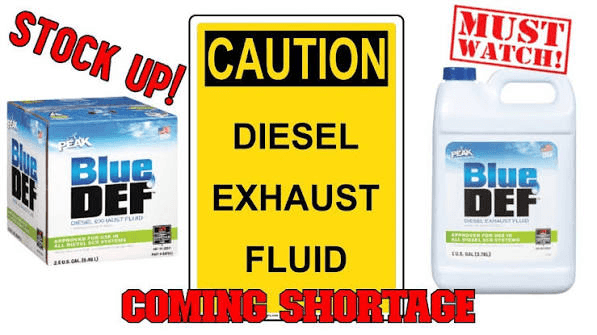
DEF’s shortage has grabbed headlines and sent supply chains into panic mode more than once. Heard whispers of fleets grinding to a halt? Worries about groceries not getting restocked or tractors standing idle in spring? Good. Pay attention to these signals. You don’t have to own trucks or a farm to feel the sting of a DEF crisis. If you move products or rely on others who do, this affects your bottom line. So, let’s tear down the myths and hand you a plain-English playbook.
What Is DEF, And Why Is It Your Problem?
Diesel Exhaust Fluid (DEF), sometimes sold as AdBlue or AUS-32, is simple stuff: 32.5% urea, 67.5% deionized water. It’s squirted into the exhaust systems of most modern diesel trucks and workhorses to slash emissions—with the magic handled by a gadget called a selective catalytic reduction (SCR) system.
Here’s the gotcha: DEF isn’t some “nice to have” extra. It’s mandatory. If the tank runs dry? That truck slows down, loses power, or simply stops. No DEF, no deliveries. No DEF, no construction equipment moving. If food or goods in your business get shipped by diesel? You’re exposed. No DEF is a single-point failure in logistics.
Why Do DEF Shortages Even Happen?
Let’s keep it real. DEF isn’t squeezed out of unicorns. It’s made from urea. So, DEF’s fate is tied to urea supply chains, energy costs, global politics—and some straight up logistical headaches. Here’s what truly drives the drama:
Urea Gets Diverted Elsewhere
Governments ration urea for fertilizer or energy. DEF takes a back seat. China cuts off exports for their own crops, and boom—Australia, South Korea, others get DEF-starved.
Energy Prices Blow Up
Urea production guzzles natural gas. When gas prices spike? Urea plants threaten to close, especially in Europe, and DEF price tags soar.
Geopolitics Pulls the Rug
Russia and Belarus play major roles in the fertilizer game. Hit them with sanctions, and global urea prices suddenly spiral. Tension in the Gulf? India and Australia sweat as urea from Dubai and Egypt stalls.
Logistics and Transport Go Sideways
U.S. railroads get jammed. DEF shipments fall behind. Just a modest rail crisis? Suddenly, up to 10% of trucking fleets risk getting parked.
Production Constraints or Plant Downtime
Scheduled plant maintenance cuts supplies. North America faces that straight up in 2025: a forecast 35-million-gallon shortfall that has everyone prepping (or should be).
It’s Not Just Fluid—It’s Sensors and Chips
DEF level sensors need microchips. When chips are scarce? Trucks get stuck for a $30 sensor, not missing fluid. Shortage of sensors means out-of-commission rigs even with full DEF tanks.
The “Big Ones”: Real DEF Shortage Stories
You want proof DEF shortages aren’t hype? Walk through these patches. No doom and gloom—just facts.
South Korea—When DEF Went AWOL (2021–22)
China locks down urea exports. Within months, huge swathes of South Korea’s trucks and buses face the threat of running empty—literally. Emergency rationing, alternate imports, and government action scramble to fix a near-economy-ending shortage. Freight and public transport hold on by their fingernails.
Australia—DEF Drama (2021 and 2026)
2021: Panic sets in. With 7-8 weeks of AdBlue left, Australia’s trucking bosses ring the alarm—China cut them off. Serious risk of trucks sidelined, shelves emptier. Fast forward to 2026: again, two shocks hit together. Gulf tensions block imports. Domestic production is behind. Australia faces barely 12 weeks of supply. Sector leaders warn: some regions could see DEF run out by May.
India—DEF Crunch in Waiting (2026)
India sources 50-60% of its industrial urea from abroad. Gulf shipments slow. Indian logistics experts warn: if nothing changes, huge swathes of the country’s diesel fleet may halt after April 2026.
Europe—Energy Costs = DEF Scarcity (2021–2022)
Some European urea producers, battered by insane gas prices, threaten shutdowns. Hungary rations DEF, truckers sweat. Not all suppliers panic—Shell secures its own supply. But spot shortages and inflation hammer sector margins.
USA—Hype vs. Fact (2022 & Ahead)
Social media screams “DEF apocalypse!” Actual supply data says, “Calm down.” No nationwide shortage happened, but yes—real risks. Rail interruptions nearly sidelined 10% of truck fleets. 2025–2026 forecasts look tight because of plant downtime. But spirits are cool—imports, inventories, and flexibility cushion the blows. The EPA also wants trucks that don’t lose all power the second DEF runs out, which should help prevent chaos.
Marine Sector—No Free Ride
DEF is not just over-the-road. Shipping is a $22 billion DEF market by 2032. But it’s slammed by the same urea shortage, sky-high prices, and Chinese export drama as everyone else.
DEF Shortages: What Actually Happens To You?
Let’s break down the chain reaction—low DEF doesn’t just mean slow trucks.
Your Supply Chain Stalls
When DEF runs out, trucks derate or stop. Not just box trucks—farm tractors, mining gear, construction fleets all grind to a halt. If they move your product, you feel it.
Rationing and Purchase Limits
Acute shortage? Expect DEF sales limits. In Hungary and Australia, drivers couldn’t just fill up as usual. It’s “essentials only” and critical routes prioritized.
Price Punch
Urea or DEF prices jump? Those extra dollars don’t vanish—they land right in the price of groceries, building materials, even your delivery costs. If you operate a fleet, your margins shrink.
Demand Hacks and Substitutes
Smart fleets don’t just wring hands. They route trucks differently to use less DEF. They haul extra at once. Some shift loads to non-DEF vehicles if possible. Others hustle to stockpile when they smell trouble ahead.
You don’t need to know organic chemistry. Just know the brutal reality: you can’t “run lean” on DEF risk. You plan or you pay.
So, Is There a DEF Shortage Right Now?
Here’s how it stands this minute:
– Globally: DEF markets are tight. Regional shortages will happen again—energy shocks, politics, or a port jam can tip things any time.
– United States: No nation-wide DEF drought. Expect rough patches—especially summer or fall 2025—thanks to scheduled plant slowdowns. If you need DEF, get nimble. Build local supplier relationships. Hold more days’ inventory than before.
– Asia-Pacific: Australia, India, and South Korea have taken real hits already. If you work or sell into these economies, double your DEF risk checks.
What Are the Real Future Risks? How Do You Avoid Getting Burned?
You want a crystal ball? Here’s where trouble comes from:
– China, Russia, or Gulf states slamming the export doors on urea again.
– Natural gas prices spiking—fewer urea plants running at full blast.
– U.S. rail and ports getting clogged (fires, floods, strikes, you name it).
– Stricter emission rules making more fleets DEF-dependent. Even if trucks get smarter about derates, they’ll still need the fluid.
How do savvy operators and entrepreneurs hedge this? Three words: diversify, reserve, adapt.
1. Diversify Your Supply
Don’t just trust one DEF supplier. Build ties with several—domestic and import. Large buyers? Explore joint-stockpiling or backup contracts so you aren’t last in line.
2. Build Strategic Reserves
Get like Australia: stock enough DEF for critical operations to run several weeks if the supply chain gets choked. If running a fleet, invest in safe, climate-controlled DEF storage. Rotate inventory—yes, even DEF expires.
3. Improve Your Forecasting and Inventory Game
Scan the calendar for plant maintenance windows or ag spikes. Watch news about energy prices or new export restrictions. Pre-buy on credible supply threats, not every Twitter rumor.
4. Get Regulatory Flexibility on Your Side
When sensors or chips go missing, push regulators for temporary relief from sudden power-loss rules. If you can keep operations safe and clean during a shortage, document it and have the proof ready.
5. Stay Nimble and Lean
Don’t wait for a DEF tsunami to force change. Small operators have the edge here—pivot quickly. If you think your chain is “too big to fail,” history says otherwise.
Want more low-lift, high-impact risk management tricks for your small business? Invest in simple redundancy and local partnerships today. Don’t “budget” for DEF like it’s paper towels—it’s your business’s oxygen.
Your Next Moves—Start Small, Act Now
This isn’t a call for panic. It’s a challenge. Validate your DEF risk this week, not next quarter. Don’t settle for lip service from suppliers—demand answers, backup plans, real numbers.
Rethink the way you see “small” business prep. You don’t need a warehouse of DEF. You need a week’s buffer and a phone list of real people who can get you supply options in a pinch.
Worried about getting steamrolled by big competitors? You shouldn’t. Often, big players are slower to shift and stuck in official channels. Be the one who solves DEF shortages with boots-on-the-ground hustle.
Need a blueprint for business resilience that’s bigger than DEF? Check out real-world, scrappy strategies at SmallBizBit. The only thing you can’t afford is inaction. Get out in front—start small, move fast, and keep your business rolling, DEF or no DEF.
Also Read This:
